End of an era? South Korea’s sun sets in the Premier League but Japan rise
SokaLive
16 Aug 2026, 07:00
South Korea faces the prospect of seeing the Premier League without a Korean player for the first time in nearly two decades as the 2024-25 season approaches. The absence would mark a dramatic shift from the sustained presence that began when Park Ji-sung joined Manchester United in 2005, a move that established a lasting connection between Korean football and England's top division. Park's illustrious career at Old Trafford yielded four Premier League titles and transformed him into a global ambassador for Korean football, paving the way for subsequent compatriots to compete at the highest level of English football.
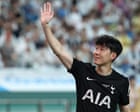
Son Heung-min inherited Park's mantle when he signed for Tottenham Hotspur in 2015, becoming one of the division's most consistent performers and a crucial player in Spurs' attacking setup. Son has since accumulated over 120 Premier League appearances and multiple top-flight goals, establishing himself among the league's elite wingers. His success represented the peak of Korean representation in English football, inspiring a generation of players to pursue opportunities abroad. However, the potential absence reflects broader challenges facing Korean football, including disappointing performances at recent international competitions and ongoing institutional issues within the sport's governance structures.
The Premier League's possible Korean exodus coincides with Japan's growing prominence in English football, signaling a shift in East Asian influence within the division. Japanese players have steadily increased their foothold, with multiple representatives competing across various clubs this season. If confirmed, Korea's absence would end a 19-year era of continuous participation and represent a significant symbolic moment for Asian football in Europe. The development underscores the cyclical nature of international player movements and the evolving competitive landscape among Asian nations seeking prominence in world football's most commercially dominant league.
More Football News

Arteta v Alonso, part one: a desire for control and the theory behind the chaos
5 minutes ago

Arsenal had more than 20 players on shortlist to capitalise on title win
5 minutes ago

Aston Villa still winless after stalemate at Hull
5 minutes ago

Le Fee penalty saves point for Sunderland at Brentford
5 minutes ago