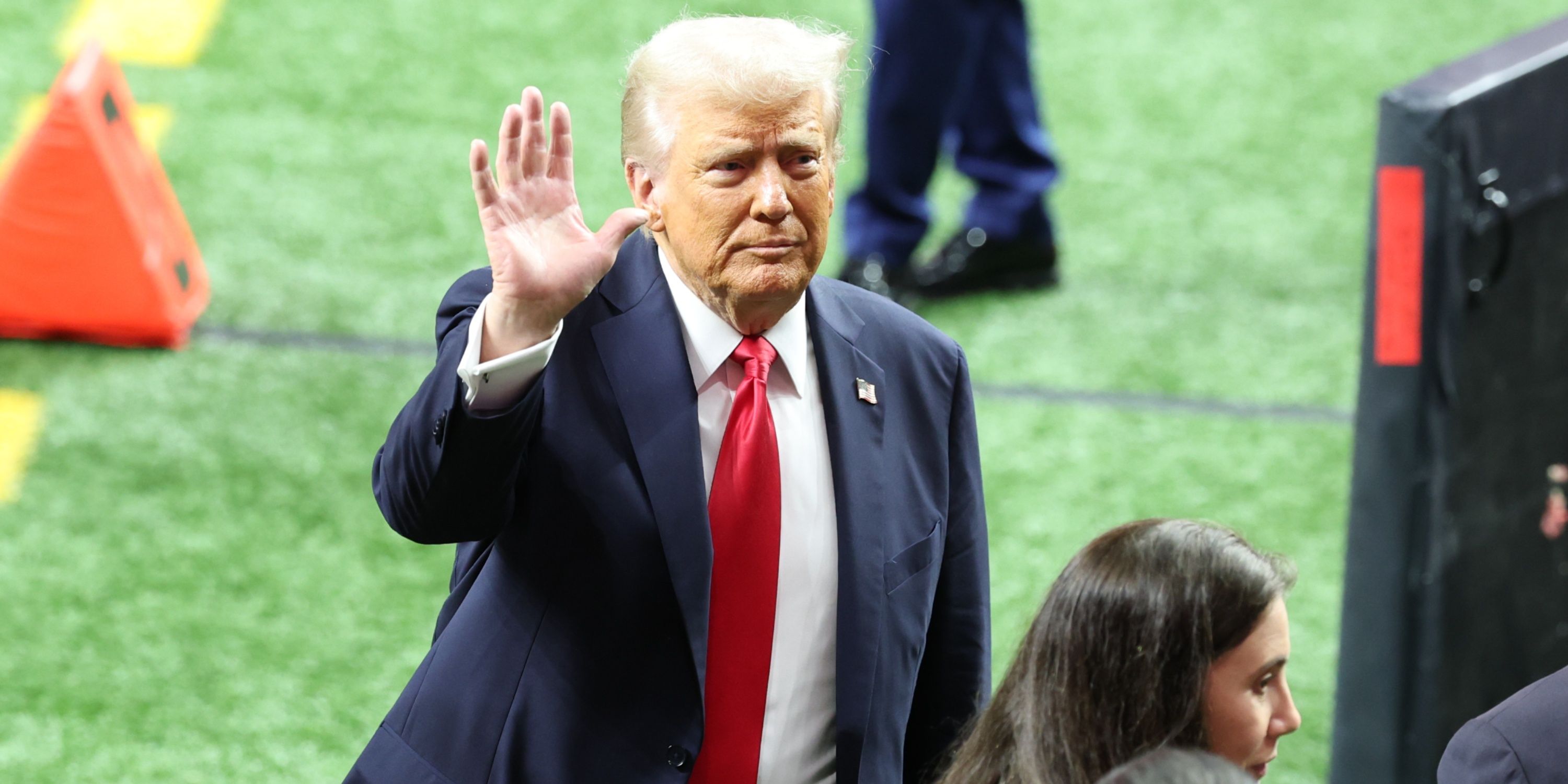
NFL: 'Real Reason' Donald Trump Was Blocked From Becoming an Owner
SokaLive
10 Sep 2026, 11:00
Decades before returning to the political spotlight, Donald Trump launched an aggressive bid to join the exclusive fraternity of NFL owners, an ambition that ultimately fractured permanently due to financial overreach and intense league skepticism. In the early 1980s, the real estate mogul purchased the New Jersey Generals of the rival United States Football League, quickly establishing a reputation for high-stakes spending by luring marquee college talent like Heisman Trophy winner Herschel Walker to the upstart spring competition. Despite his visible ambition to merge or secure an established franchise—specifically targeting the Buffalo Bills and later the New England Patriots—the league's established power brokers viewed his erratic management style and penchant for public controversy as significant liabilities that threatened the conservative stability of America's most lucrative sports enterprise.
The definitive fracture in Trump's relationship with professional football crystallized in 1986, when he spearheaded an antitrust lawsuit against the NFL seeking upwards of $1.5 billion in damages, a strategic gamble designed to force a lucrative merger that instead crippled the USFL. Although the jury ruled in favor of the alt-league, the symbolic victory yielded a meager antitrust payout of just one dollar, which was automatically tripled under federal law to three dollars, effectively bankrupting the alternative federation and destroying any remaining goodwill among league governors. Furthermore, Commissioner Pete Rozelle and conservative franchise owners actively rebuffed Trump's subsequent attempts to purchase existing teams, citing his divisive public profile and the lingering animosity stemming from the high-profile courtroom battle that permanently altered the landscape of professional American gridiron history.
Today, the legacy of Trump’s tumultuous football crusade serves as a cautionary tale of executive ambition clashing with the rigid traditionalism of sports ownership, a dynamic that continues to shape how modern sports leagues vet prospective billionaire buyers. While the USFL folded shortly after the failed litigation—never playing another down after its disastrous 1986 autumn schedule shift—the NFL experienced unprecedented financial growth under subsequent leadership, eventually eclipsing twenty billion dollars in annual revenue. Ultimately, the league's steadfast refusal to grant Trump entry preserved the insular harmony demanded by its ownership committee, ensuring that the controversial promoter remained an outsider to the sport's highest corridors of power despite decades of persistent lobbying and public maneuvering.
More Football News
Juventus Attempted Swoop for Italian Midfielder Before Lazio Deal
30 minutes ago
Furious Richarlison to 'Take Tottenham to Court' After Request is Denied
57 minutes ago

Ryan Garcia vs Conor Benn: Difference on the Pads is Eye-Opening
57 minutes ago
12 New Trophy Winners if Chelsea Are Stripped of 2009-2022 Titles
58 minutes ago