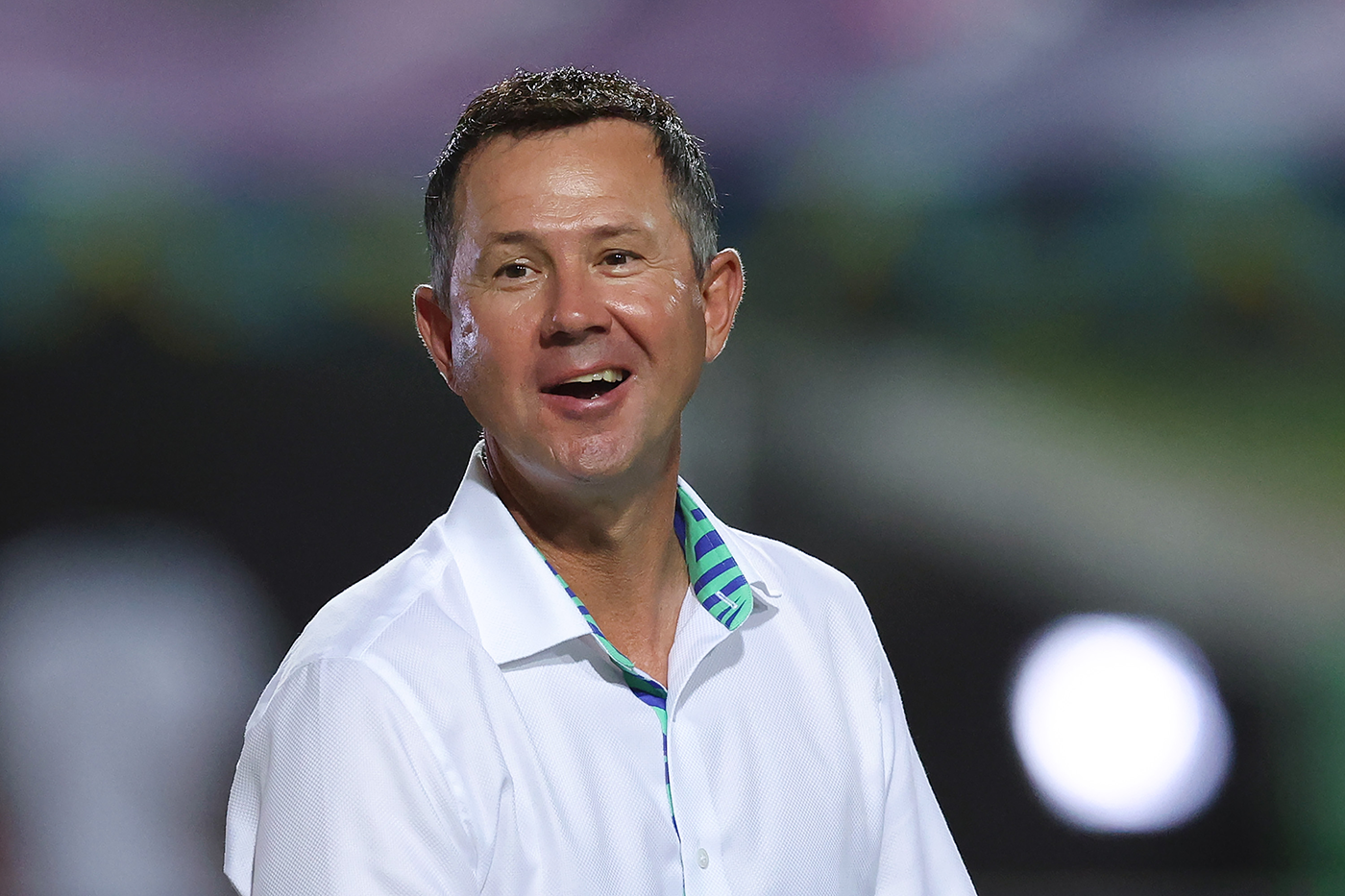
Ponting: ODI cricket will be played 'less' amid T20 boom
SokaLive
08 Sep 2026, 16:21
Former Australian captain Ricky Ponting believes the relentless expansion of domestic Twenty20 leagues will inevitably squeeze fifty-over internationals into a less prominent role on the global calendar. As lucrative franchises like the Indian Premier League and SA20 continue to dominate commercial broadcasting rights and attract massive television audiences worldwide, cricket administrators face mounting pressure to prioritize the shortest formats. Ponting, who secured two ICC Men's Cricket World Cup trophies as a player and amassed over 27,000 international runs across a legendary 17-year career, noted that bilateral ODI series outside of major global tournaments are already struggling to retain the sustained interest of modern sports fans.
Despite the looming threat of the T20 boom, the iconic batting legend remains firmly convinced that traditional five-day Test cricket will continue to thrive, provided powerhouse boards like the Board of Control for Cricket in India, Cricket Australia, and the England and Wales Cricket Board remain fully invested. The World Test Championship, introduced by the International Cricket Council in 2019 to give bilateral matches meaningful context, has successfully injected competitive urgency into the format, culminating in New Zealand and Australia claiming the first two championship maces before fierce rivals Australia clinched the 2023 crown against India at The Oval by 209 runs.
Looking ahead, cricket boards must strike a delicate balancing act to preserve international integrity while accommodating lucrative franchise ecosystems that generate the vital revenue needed to fund grassroots development across emerging nations. With the ICC Champions Trophy returning to the schedule and preparations underway for the 2027 ODI World Cup hosted across South Africa, Zimbabwe, and Namibia, elite players will increasingly need to manage heavy workloads through strategic rest periods. As cricket enters this transformative era, the adaptability of governing bodies in protecting the pinnacle red-ball game will ultimately determine the sport's global sustainability.