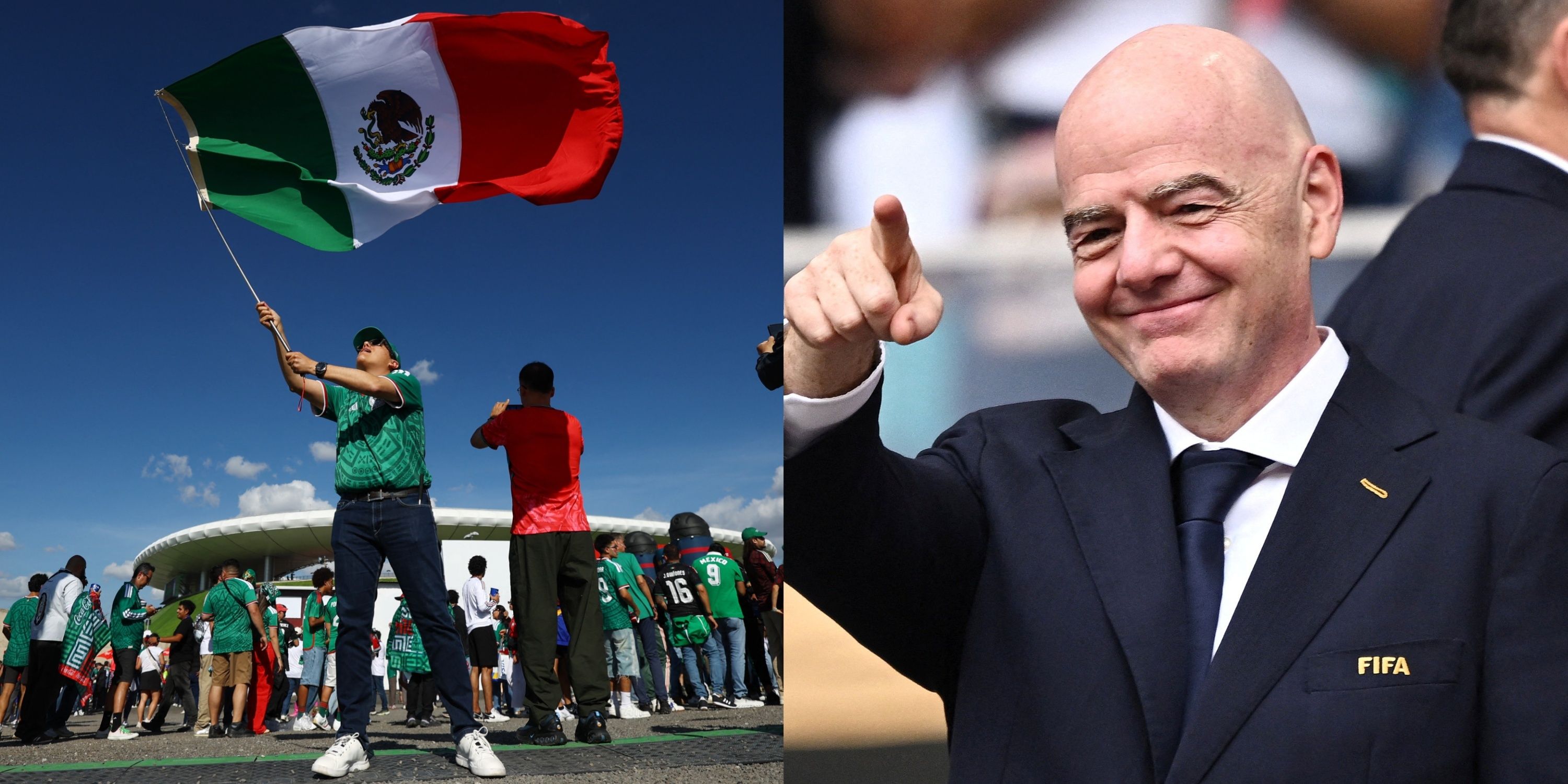
Why Mexico Went Against the USA and CONCACAF and Publicly Backed Infantino
SokaLive
11 Aug 2026, 07:54
Mexico's unexpected endorsement of Gianni Infantino's continued presidency at FIFA marked a significant political shift within CONCACAF, as the nation broke ranks with regional allies and the United States to support the Swiss administrator's reelection bid. The Mexican Football Federation's decision to back Infantino came after the FIFA President allegedly pledged commitments benefiting Mexican football, including potential tournament hosting opportunities and enhanced development initiatives. This move proved consequential, as Mexico's substantial voting influence within both CONCACAF and the broader FIFA electoral process could sway outcomes—particularly relevant given Mexico's status as a three-time World Cup host nation and CONCACAF's most successful confederation member by continental titles.
The backing represented a dramatic departure from traditional CONCACAF unity, as the confederation typically coordinates voting positions during FIFA elections. Mexico's separate agreement with Infantino highlighted the complex negotiations occurring behind closed doors during the FIFA presidential campaign. The timing coincided with Infantino's broader efforts to consolidate support across confederations, demonstrating his strategy to build coalitions through bilateral arrangements rather than relying solely on regional bloc voting. CONCACAF encompasses 41 member nations controlling substantial collective voting power, making individual confederation member defections strategically valuable. Mexico's decision underscored how major football nations within regional organizations increasingly pursue independent diplomatic channels to advance national interests.
The consequences of Mexico's endorsement extended beyond the presidential election itself, establishing precedent for how CONCACAF nations might operate independently during future FIFA governance matters. Infantino's alleged promises to Mexico—potentially including World Cup co-hosting arrangements or expanded continental tournament participation—positioned Mexican football for potential structural advantages within FIFA's reorganized competition calendar. This strategic repositioning reflected Mexico's evolution toward protecting its interests through direct engagement with FIFA leadership rather than relying on confederation-wide coordination. The development illustrated how football's global governance increasingly operates through bilateral negotiations, fundamentally reshaping regional confederation dynamics and challenging traditional power structures within CONCACAF's decision-making processes.
More Football News

Arteta v Alonso, part one: a desire for control and the theory behind the chaos
5 minutes ago

Arsenal had more than 20 players on shortlist to capitalise on title win
5 minutes ago

Aston Villa still winless after stalemate at Hull
5 minutes ago

Le Fee penalty saves point for Sunderland at Brentford
5 minutes ago