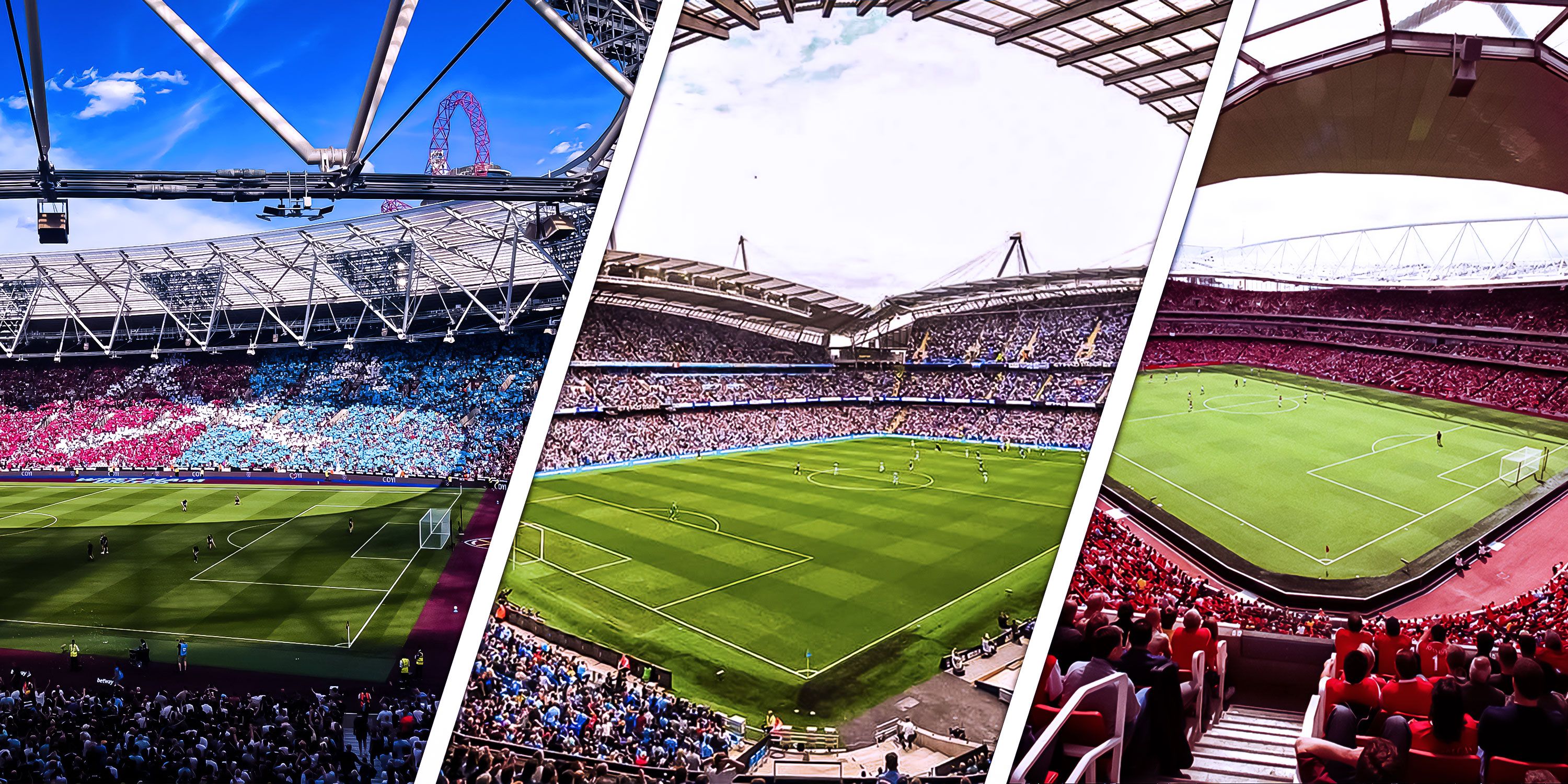
Artificial intelligence has completed a unique challenge by describing all 92 stadiums across England's football league system in single words, offering an intriguing snapshot of the nation's footballing venues. The exercise encompassed grounds from the Premier League down through the Championship, League One, and League Two, representing clubs ranging from Manchester United's Old Trafford to smaller regional facilities. Each stadium received a distinctive one-word descriptor, reflecting its characteristics, history, atmosphere, or architectural features in a creative linguistic exercise that demonstrates how AI interprets the physical and cultural identity of these sporting institutions.
The English Football League comprises 72 clubs across three divisions below the Premier League's 20 teams, creating a vast landscape of facilities with varying capacities and conditions. These stadiums host approximately 250 professional clubs across all levels, with attendance figures that span from packed premier grounds welcoming over 70,000 supporters weekly to smaller venues with capacities under 5,000. The diversity of these facilities reflects England's rich footballing heritage, with some grounds dating back over a century. This AI categorization project highlights the distinctive personality each ground has developed through decades of matches, memorable moments, and fan culture that defines English football's competitive structure.
The descriptive exercise provides an entertaining lens through which to examine football's infrastructure across the nation's professional landscape. By assigning singular descriptors to each venue, the analysis captures essential qualities that define fan experiences across the four-division system. Understanding how these grounds are perceived—whether characterized as historic, modern, intimate, or atmospheric—offers insights into the varied experience of English football beyond just the Premier League's elite venues. This creative approach to stadium analysis demonstrates how machine learning can engage with sport's cultural and physical dimensions, bridging data analysis with the emotional dimensions that make football's architectural heritage significant to millions of supporters nationwide.