Celtic find themselves at a critical juncture in the Scottish Premiership season after suffering a damaging defeat to arch-rivals Rangers. This latest setback marks the second time in just eight days that the Hoops have fallen to their Glasgow counterparts, exposing vulnerabilities in a rivalry where momentum swings carry immense psychological and league-table consequences. Old Firm fixtures historically dictate the rhythm of the Scottish title race, and dropping back-to-back encounters to the same adversary heaps heavy pressure on the Parkhead club's technical staff and squad.
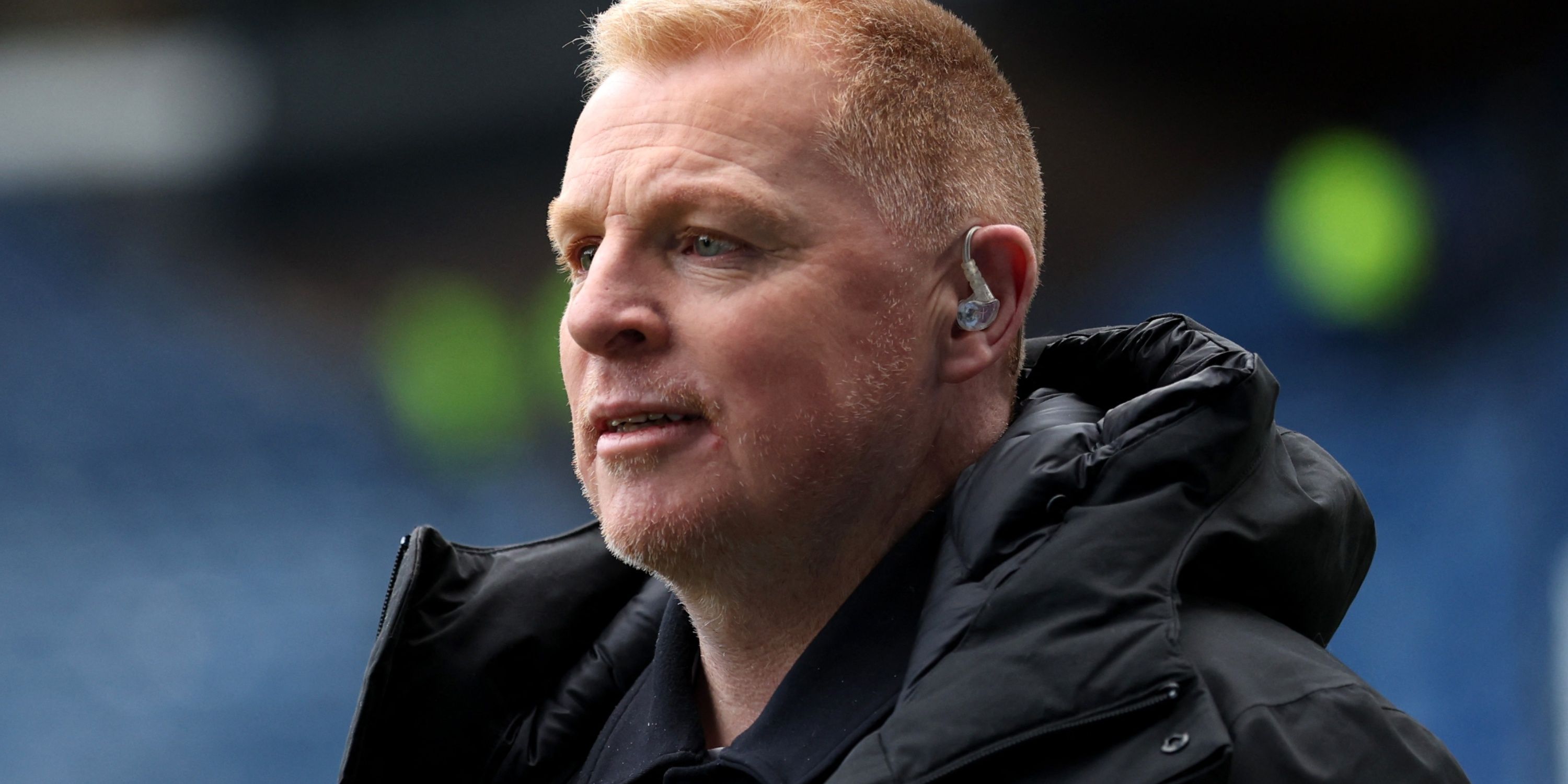
In the wake of the match, former Celtic manager Neil Lennon has called for an immediate and comprehensive reset for the side as they attempt to salvage their domestic ambitions. Lennon's assessment highlights an urgent need for tactical and mental refreshment within a squad unaccustomed to such sustained domestic dominance by their fiercest rivals. However, fellow managerial figure Martin O'Neill has taken a more measured view, publicly insisting that the latest Old Firm reversal does not constitute a disaster for the club, pointing to the long marathon of the domestic campaign rather than a panicked reaction to a short-term slump.
Analyses from pundits have dissected where Celtic fell short across this difficult double-header against Rangers, focusing on squad depth, tactical adaptability, and the psychological burden of high-stakes derby fixtures. The defeat forces management to re-evaluate their approach against elite domestic opposition, especially with the league table punishing any margin of error. O'Neill's perspective advocates for calm amid the turbulence, yet Lennon's demand for a reset reflects the acute demands of a fanbase that expects absolute supremacy in Glasgow.
The broader impact of this double defeat extends deeply into Celtic's campaign trajectory, altering the psychological balance of power in Scottish football. Clubs challenging at the summit cannot afford prolonged vulnerabilities, making the response to this adversity the defining metric of Celtic's season. As the fixture list rolls forward, the technical team must translate internal evaluations into concrete tactical adjustments on the training pitch to restore defensive resilience and attacking fluency.
Looking ahead, Celtic face the immediate task of rebuilding confidence on the domestic front before further dropped points jeopardise their silverware aspirations. The upcoming fixtures will test whether the squad heeds Lennon's call for a total reset or adopts O'Neill's philosophy of steady persistence. Ultimately, the burden rests on the players to convert this period of intense scrutiny into renewed on-pitch cohesion.