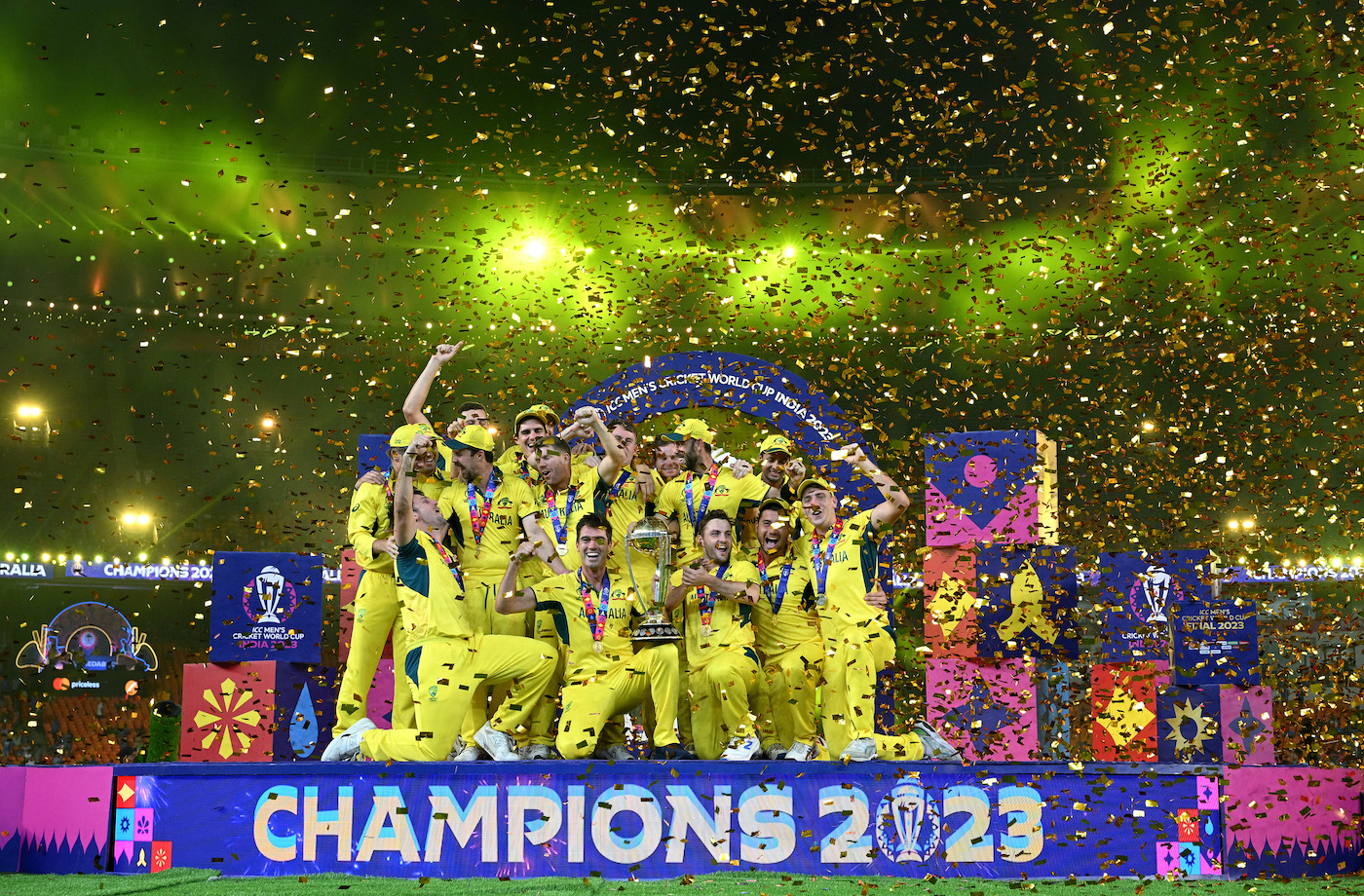
Cricket Australia's chief executive Todd Greenberg has raised concerns about the financial sustainability of bilateral one-day internationals while acknowledging the need for greater competitive meaning in the format. Greenberg's comments highlight a growing tension within international cricket, where ODI revenue remains crucial to cricket boards' operational budgets despite declining viewership in some markets. Australia's ODI team, currently ranked second in the ICC rankings, generates significant income through bilateral series against traditional rivals like India, England, and Pakistan, yet questions persist about whether these matches provide adequate return on investment compared to franchise-based T20 competitions.
The conversation around ODI relevance has intensified as cricket's landscape shifts toward lucrative T20 leagues worldwide, from the IPL's annual revenue exceeding $600 million to new franchise competitions in emerging markets. Bilateral ODI series traditionally serve as preparation grounds for World Cup campaigns, with Australia having won the ICC ODI World Cup twice, most recently in 2015. However, Greenberg's dilemma reflects a broader industry challenge: maintaining meaningful bilateral cricket while protecting revenue streams that fund grassroots development, player salaries, and administrative operations. The tension between preserving cricket's traditional formats and adapting to commercial pressures has become unavoidable for governing bodies managing finite scheduling windows.
Moving forward, Cricket Australia faces critical decisions about balancing fixture congestion with financial viability. Greenberg's comments suggest CA will seek solutions that preserve both ODI integrity and revenue generation, potentially through restructured scheduling or enhanced bilateral series formats. With the next ODI World Cup scheduled for 2027 and Australia's recent 1-1 series result against Pakistan demonstrating competitive engagement despite format skepticism, the board must demonstrate that bilateral cricket remains essential rather than merely obligatory. Finding this equilibrium will determine whether ODI cricket maintains its status as a cornerstone format or gradually becomes secondary to Twenty20 commitments.