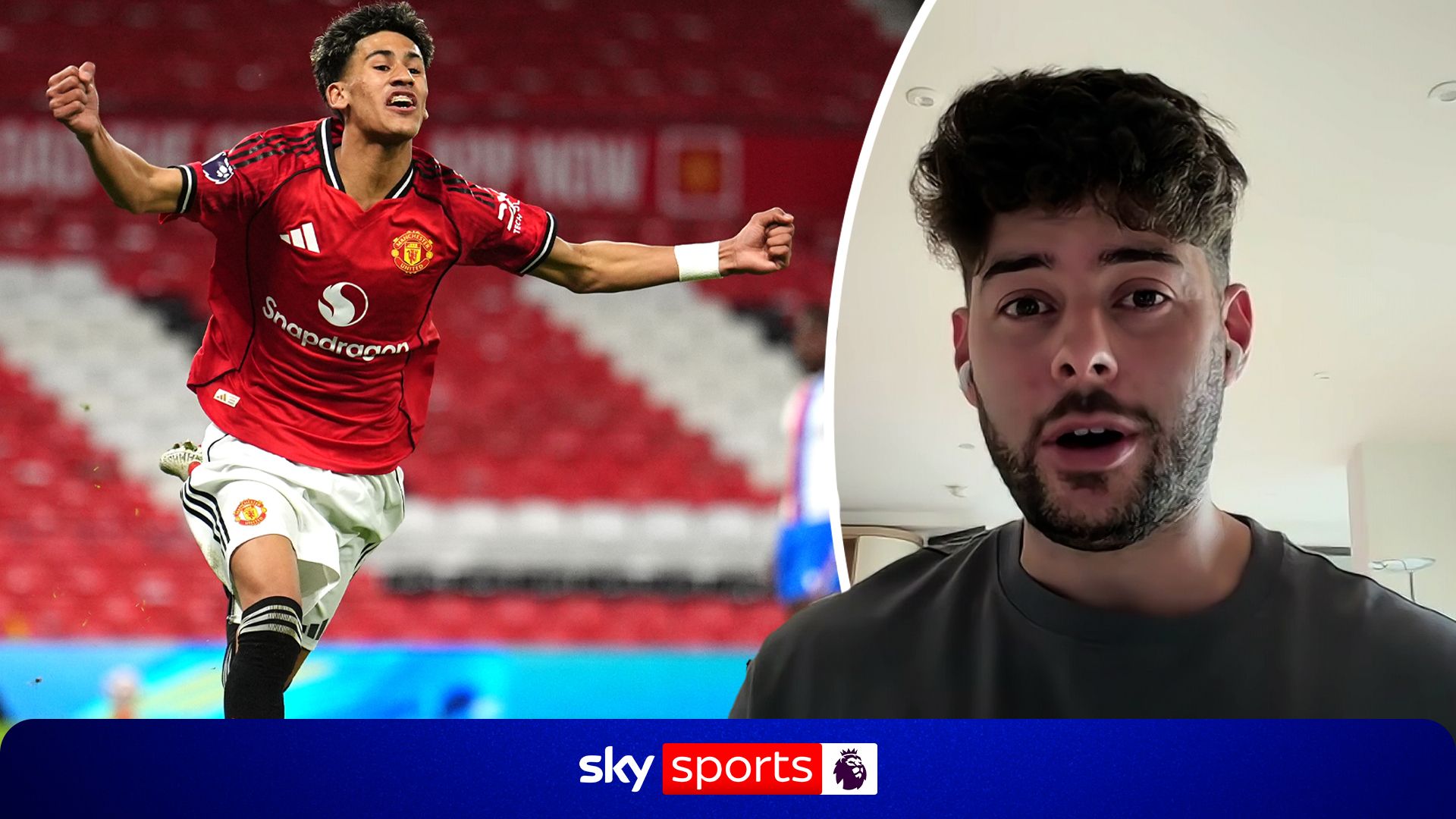
Manchester United academy sensation JJ Gabriel has decided to leave Old Trafford after declining a scholarship contract with the Premier League powerhouse. The fifteen-year-old attacking midfielder, who earned widespread acclaim across English youth football for his exceptional dribbling skills and maturity in the under-eighteen setup, feels his accelerated development demands a different pathway. Known widely within youth scouting circles as the Kid Messi due to his remarkable left-footed ability and low center of gravity, Gabriel consistently dominated matches in the Professional Development League, prompting the club's hierarchy to fast-track his progression through their legendary Carrington youth system.
This unexpected departure marks a significant blow to the twentieth-time English champions, whose famous youth academy holds an unbroken record of including at least one homegrown player in every single matchday squad since October nineteen thirty-seven. Manchester United invested heavily in securing the youngster's early development after he arrived with immense fanfare, viewing him as a cornerstone for their future attacking rebuild under the current tactical framework. European heavyweights from Spain and Germany have already monitored his progression closely, recognizing that Premier League compensation rules will dictate any eventual cross-border transfer fee once the teenager officially confirms his next destination.
As Gabriel weighs his options for his impending scholarship phase, elite clubs across the continent prepare formal approaches to secure one of England's most coveted teenage prospects. Manchester United will still receive substantial training compensation if he moves to another English club, though foreign suitors hold the distinct advantage of signing him to professional terms immediately upon turning sixteen. The young playmaker's ultimate decision highlights the fierce modern competition for elite academy talent, where ambitious prospects increasingly prioritize clear pathways to senior first-team football over traditional club loyalties in the hyper-competitive landscape of elite European football.