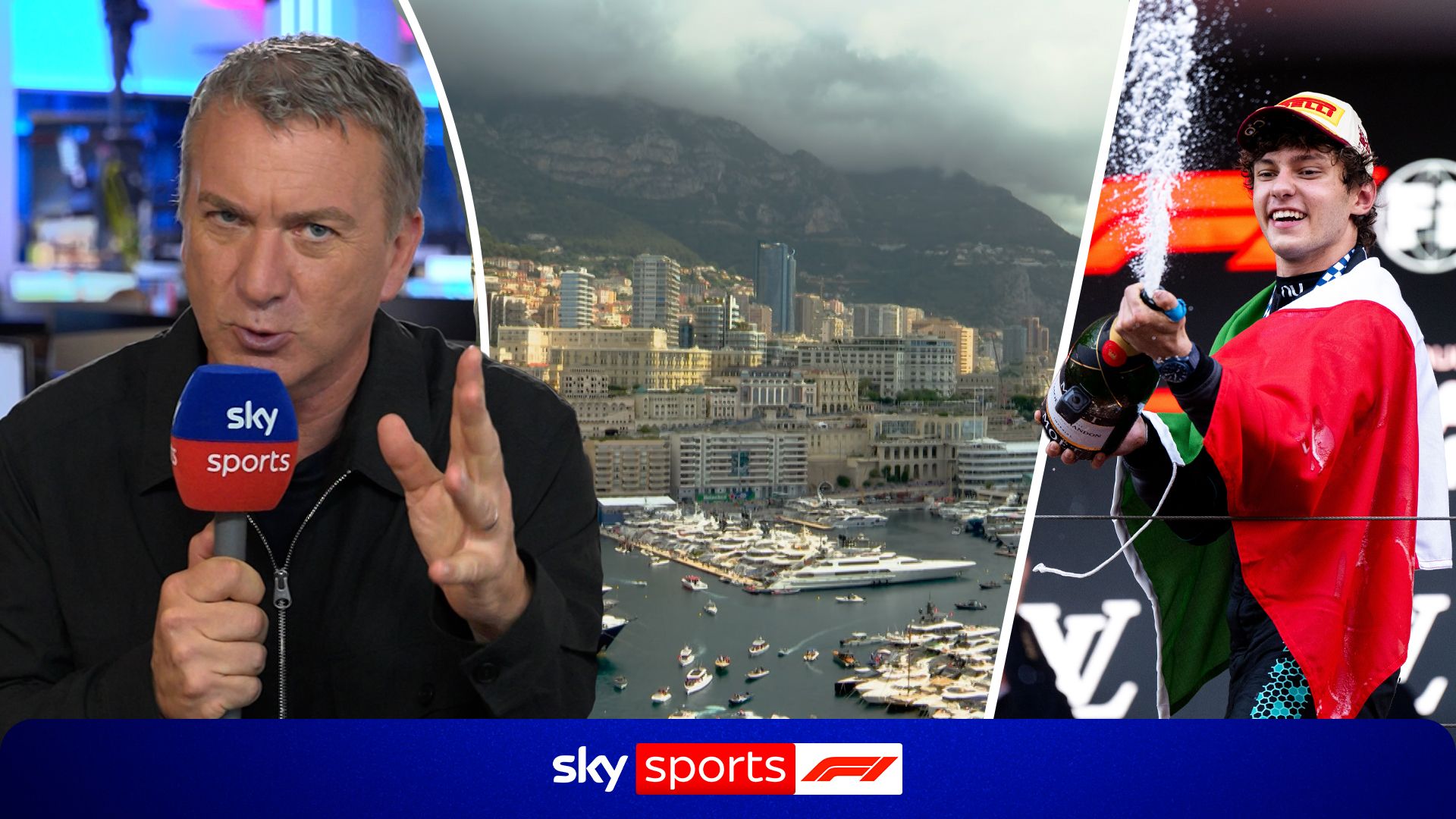
Formula One management has officially confirmed that the iconic Circuit de Monaco will host a sprint race weekend starting from the 2027 season, introducing a radical new dynamic to the traditionally static street circuit. Sky Sports lead F1 reporter Craig Slater explained that this decision was driven by intense commercial demand and a strategic push to maximize on-track action across every single day of the historic grand prix weekend. Historically, the tight and twisty 3.337-kilometer barrier-lined layout in Monte Carlo has heavily restricted overtaking, heavily emphasizing Saturday qualifying sessions over Sunday Grands Prix. By incorporating the shorter sprint format, organizers aim to inject higher stakes into the weekend schedule, offering fans immediate competitive racing prior to the main Sunday showdown.
This bold scheduling shift shatters decades of motorsport tradition at the Principality, where the main Grand Prix has been a permanent fixture on the calendar since 1950 and a Triple Crown jewel alongside the Indianapolis 500 and 24 Hours of Le Mans. Introducing a sprint race to Monaco forces engineers and drivers to radically rethink setup strategies, as parc fermé conditions now apply much earlier in the weekend with significantly reduced practice time. In recent years, modern Formula One cars have grown considerably wider and heavier—exceeding 798 kilograms—which transformed Sunday grands prix into tactical processions where passing was nearly impossible without major strategic undercuts or driver errors. The addition of a shorter, aggressive sprint directly challenges teams to extract maximum performance immediately, rewarding bold driving maneuvers in sectors where mistakes carry immediate race-ending consequences against the unforgiving steel barriers.
Looking ahead to the 2027 championship calendar, the integration of Monaco into the sprint weekend rotation will likely influence circuit design discussions and broadcasting metrics across the entire global series. Liberty Media has increasingly prioritized high-action sprint weekends, which historically deliver substantial television audience spikes and heightened ticket sales compared to traditional formats. As current constructor champions and dominant drivers prepare to tackle the ultimate precision test under the intense pressure of a dual-race weekend, team principals must carefully manage their cost cap allocations and spare parts inventories. Ultimately, this high-profile calendar evolution proves that even the most historic and traditional venues on the Formula One schedule must continuously adapt to modern entertainment demands while preserving the legendary prestige of racing through the streets of Monte Carlo.