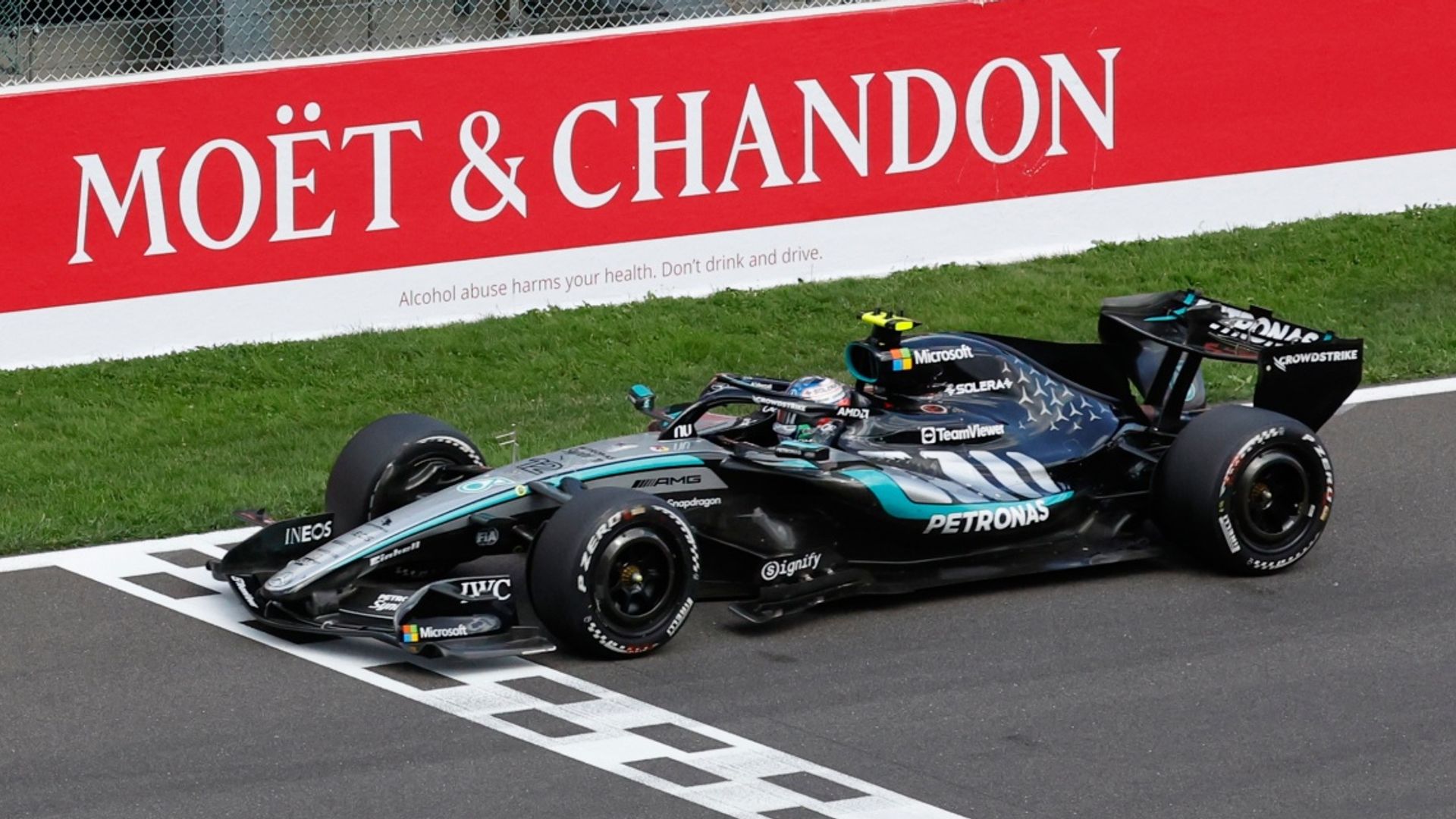
Formula 1 governing body officials have officially confirmed that grand prix race distances will face a slight reduction starting from the 2027 season, prioritizing driver fatigue management and strategic racing variety. This regulatory adjustment follows extensive discussions regarding modern calendar demands, which currently feature a gruelling record-breaking twenty-four races per campaign. Fans attending iconic venues like the Circuit de Monaco and Silverstone will notice the shortened grand prix distance, aiming to maintain peak physical performance levels for elite drivers like reigning world champion Max Verstappen and seven-time titleholder Lewis Hamilton throughout the demanding global championship calendar.
The upcoming distance adjustments build upon a long history of regulatory evolution designed to enhance spectacle and safety within premier motorsport competition. Historically, standard grand prix distances were mandated to exceed three hundred kilometres, a threshold established decades ago to test mechanical reliability alongside human endurance. However, modern Formula 1 power units, introduced back in the 2014 hybrid era and continually refined through major aerodynamic overhauls like the 2022 regulations, demand rigorous fuel management and tire preservation strategies. Teams such as Ferrari, Mercedes, and McLaren must now recalculate their race-pace strategies and fuel-load allowances to adapt to these upcoming modifications ahead of the next major technical regulation cycle.
Looking ahead, team principals and engineers must finalize their chassis designs and powertrain configurations well in advance of the 2027 pre-season testing windows to accommodate these shortened grand prix distances. This shift could significantly alter tactical approaches, potentially encouraging aggressive multi-stop strategies rather than conservative tire-saving processions frequently witnessed at high-deg circuits. As the sport continues its massive commercial expansion across global markets including Miami, Las Vegas, and traditional European heartlands, optimizing the overall race duration ensures television broadcasters maintain maximum audience engagement throughout every single scheduled round of the championship.