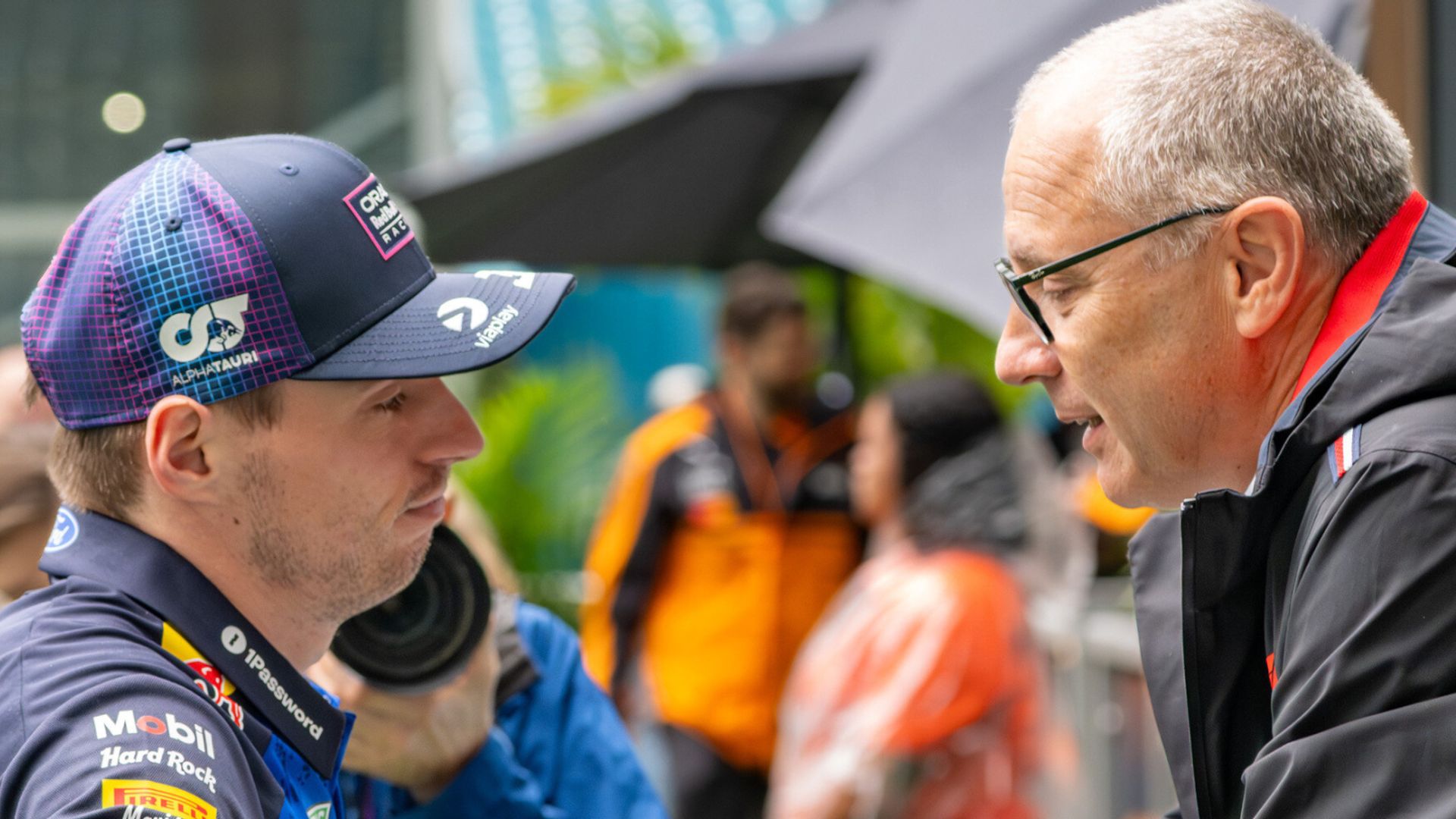
Formula 1 president Stefano Domenicali has clarified that drivers retain the freedom to voice their concerns regarding the sport's power unit regulations, dismissing suggestions that the organization suppresses critical feedback. Domenicali's statement comes amid ongoing discussions within the paddock about the current hybrid power unit era, which has dominated F1 since 2014. The regulations have produced some of the most dominant performances in modern racing history, with Mercedes claiming eight consecutive constructors' championships between 2014 and 2020, establishing themselves as the most successful team in the hybrid era.
The F1 president emphasized that open dialogue between drivers, teams, and governing bodies strengthens the sport rather than weakening it. Throughout the current regulations cycle, drivers have expressed varying perspectives on power unit complexity, cost implications, and competitive balance. The FIA and FIA have maintained that constructive criticism helps shape future technical direction and sustainability initiatives. With manufacturers investing billions annually in power unit development, the sport has attracted competitive entries from established automotive giants, including Mercedes, Ferrari, Red Bull Powertrains, and McLaren-Honda partnerships, making the regulations central to F1's competitive landscape.
Looking ahead, the sport's decision-makers will continue evaluating feedback as they prepare for the 2026 power unit regulations overhaul. Domenicali's comments signal F1's commitment to inclusive governance, where driver perspectives hold meaningful weight in technical and sporting decisions. The upcoming regulatory changes aim to introduce more sustainable fuel options and simplified hybrid systems while maintaining performance standards. With 20 races scheduled annually and manufacturers competing across multiple championships, the feedback mechanism ensures that real-world racing data informs engineering development and regulatory evolution moving forward.