The United States maintained its dominance in men's flag football by successfully defending its world championship title on Sunday, yet experienced disappointment in the women's competition as Canada claimed the crown. The American men's team, which has established itself as the sport's premier program, secured its second consecutive world title, reinforcing the nation's position ahead of the 2028 Los Angeles Olympics where flag football will make its debut as an Olympic sport. Canada's women's triumph marked a significant upset, ending American hopes for a sweep of both major titles and establishing the Canadians as genuine contenders in international flag football competition.
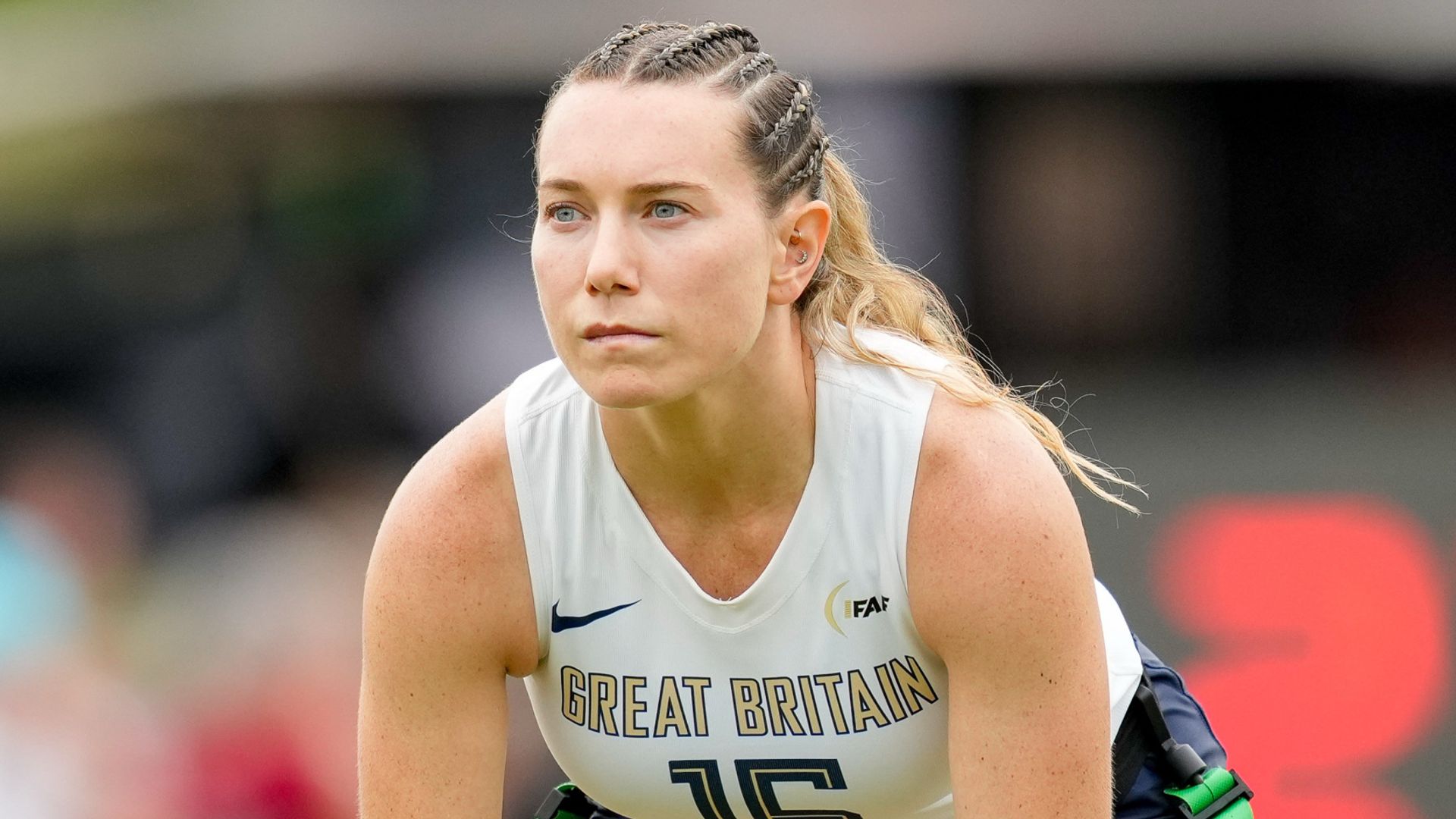
Beyond the championship victories, the tournament produced crucial Olympic qualification outcomes that will shape the Los Angeles Games roster. Mexico's women's team and Canada's men's team earned their places at the 2028 Olympics through their performances, while Great Britain's medal hopes collapsed as the British squads failed to secure qualifying positions. The flag football world championships serve as the primary qualification pathway for the Olympic Games, making tournament success essential for national teams seeking Olympic berths. With approximately two years until Los Angeles 2028, these qualifications signal which nations have developed sufficient competitive depth in the emerging professional flag football landscape.
The results underscore the shifting competitive balance in international flag football as the sport prepares for its Olympic debut. The American men's program maintains its expected level of excellence, yet the women's loss to Canada and Mexico's qualification represent the sport's growing globalization beyond traditional powerhouses. As flag football transitions from emerging sport to Olympic discipline, teams will intensify preparation and investment in player development. The pathway to Los Angeles is now clearer for qualified nations, while Britain and other ambitious programs must pursue alternative qualification routes or wait for future opportunities to earn their Olympic spots through continued competitive development.