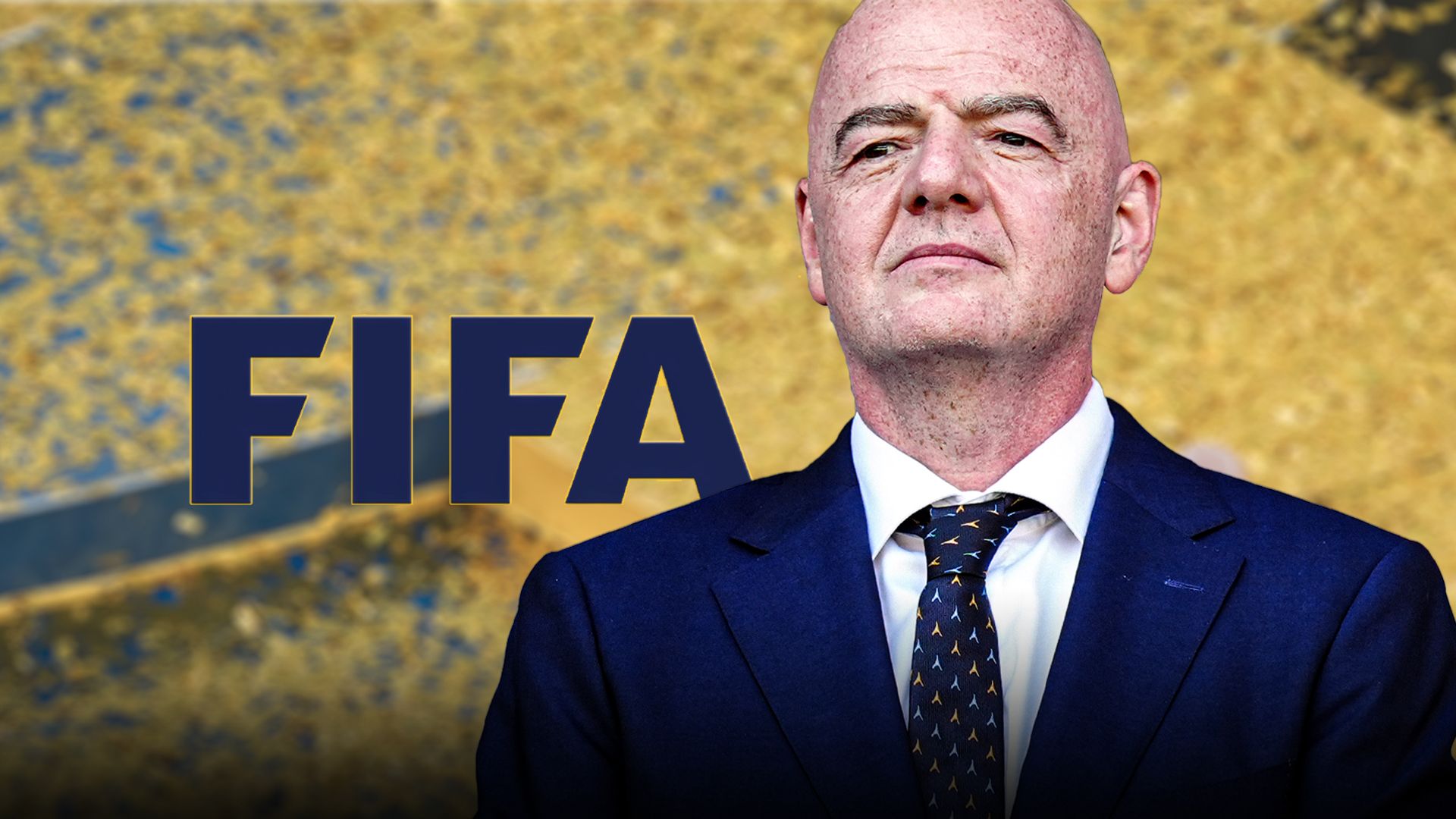
FIFA president Gianni Infantino has withdrawn his proposal to monetize future World Cup revenues through private equity partnerships, bowing to sustained pressure from continental football confederations worldwide. The plan, which would have allowed investors to purchase stakes in the tournament's commercial rights across multiple editions, faced organized resistance from governing bodies including UEFA, CONMEBOL, and the AFC. The World Cup remains football's most lucrative competition, generating approximately $14 billion in revenue during the 2022 Qatar tournament, making any stake sale a matter of significant concern for member nations.
The controversial initiative emerged as Infantino sought alternative funding mechanisms for FIFA's operational costs and development programs across the globe. European and South American federations expressed particular concern about surrendering long-term financial interests in the competition that has operated since 1930. UEFA, representing 55 member nations responsible for producing multiple World Cup champions including France, Germany, and Spain, articulated formal opposition through official channels. The proposal would have fundamentally altered FIFA's financial model, which has historically maintained direct revenue control while distributing tournament hosting rights through competitive bidding processes conducted every four years.
With the privatization scheme shelved, FIFA returns to conventional revenue strategies ahead of the 2026 World Cup co-hosted by the United States, Canada, and Mexico—the tournament's first featuring 48 teams instead of 32. This expansion promises expanded commercial opportunities without requiring equity dilution, with additional matches generating substantially increased broadcasting and sponsorship income. Infantino's retreat signals that FIFA's member confederations retain considerable leverage in major financial decisions, ensuring that governance structures prioritize collective stakeholder interests over individual executive initiatives seeking alternative capital sources.