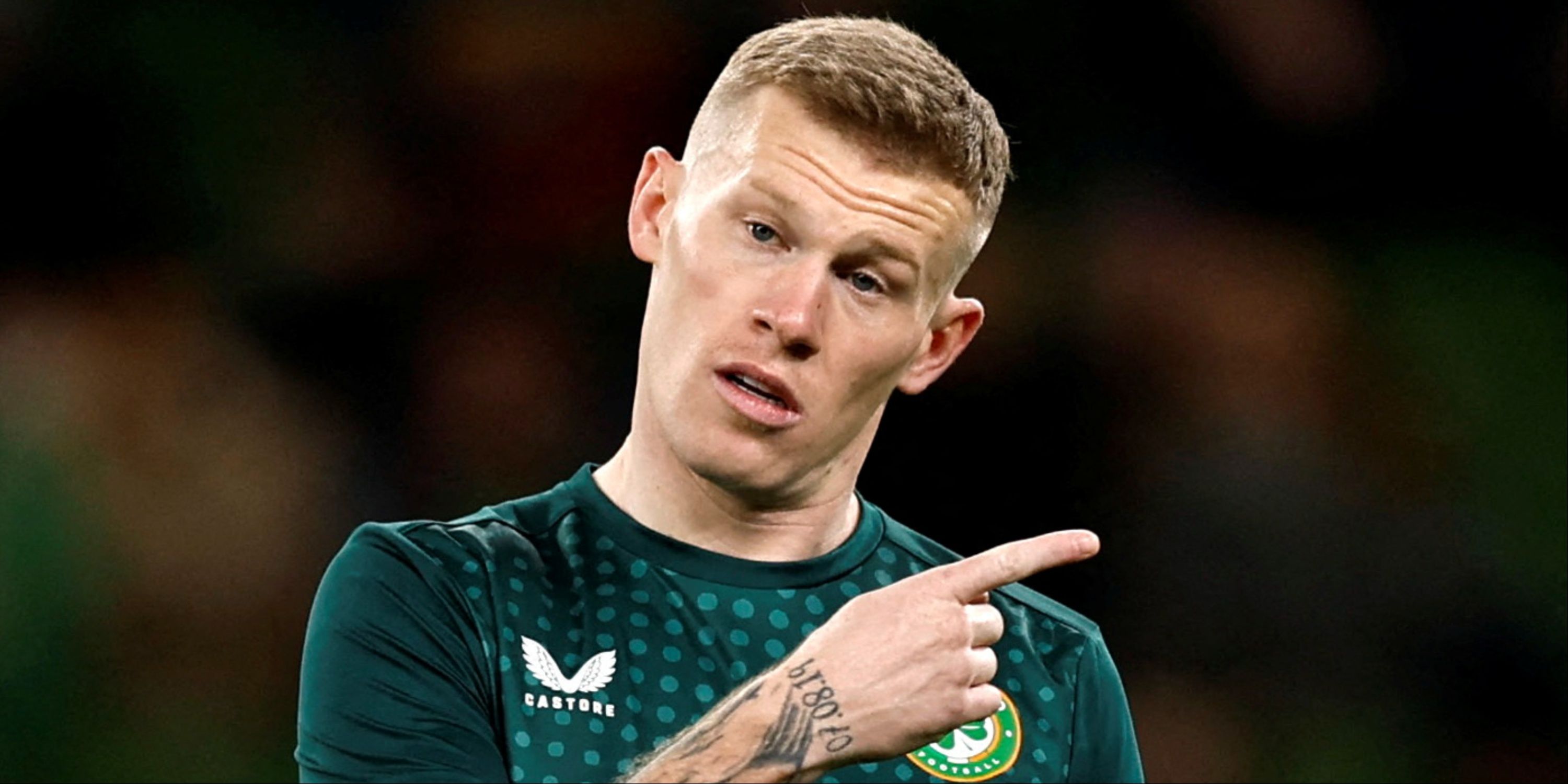
Former Republic of Ireland international James McClean has launched a scathing critique against his home nation's football association regarding their controversial choice to proceed with upcoming fixtures against Israel. The outspoken winger, who earned 103 caps for the Boys in Green before retiring from international duty following a friendly against New Zealand in November 2023, did not hold back his frustration during a recent media appearance. McClean questioned the integrity of the decision-making process within the Football Association of Ireland, arguing that sporting authorities should prioritize moral stances over competitive obligations when geopolitical tensions reach critical boiling points across the international stage.
The debate surrounds upcoming UEFA competition qualifying matches and draws intense scrutiny given the current humanitarian crises dominating global headlines and sports governance alike. Throughout his illustrious career, which included spells with Sunderland, West Bromwich Albion, Stoke City, and Wrexham where he recently helped secure promotion to League One, McClean has never shied away from expressing polarizing personal convictions. Several European sporting federations have faced mounting pressure from human rights organizations and fan groups to boycott fixtures against Israeli national teams, mirroring past precedents set during other international conflicts where governing bodies enforced immediate suspensions or venue changes.
As the fixture dates draw closer, the Football Association of Ireland now faces a delicate balancing act between maintaining compliance with European football mandates and managing the severe public relations fallout highlighted by high-profile figures like McClean. While the team under current management continues preparations for their upcoming Nations League and European qualification campaigns, dissent from former national heroes threatens to create a persistent distraction. UEFA officials maintain strict neutrality policies regarding political interventions in member associations, meaning any unilateral boycott by the Irish squad would likely trigger heavy financial penalties and potential tournament disqualifications impacting future generations of players.