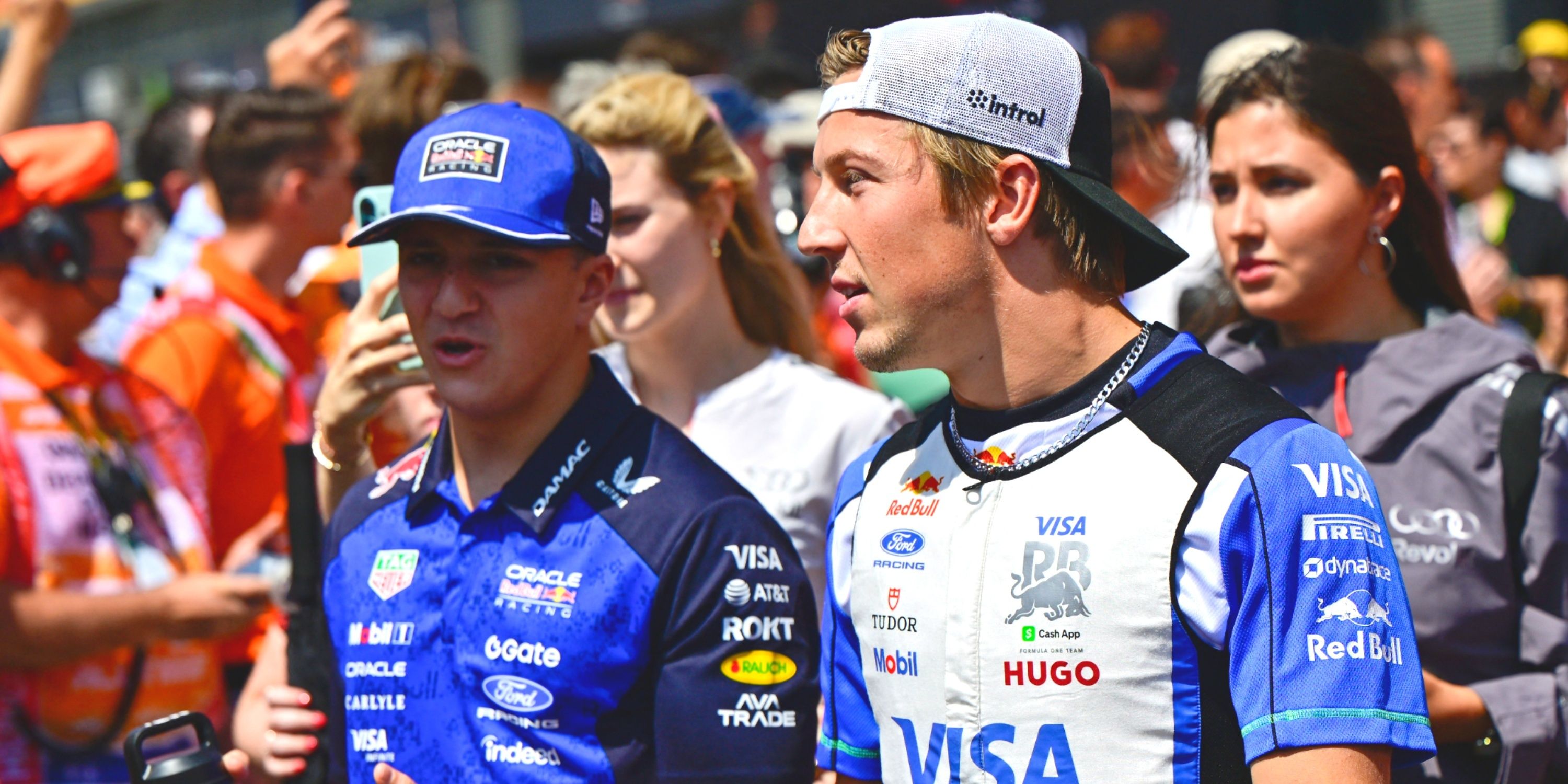
Liam Lawson stepped into the fierce pressure cooker of top-tier motorsport action when he replaced the sidelined Isack Hadjar across three demanding rounds at the Dutch, Italian, and Spanish Grands Prix. SokaLive analysis reveals that Lawson delivered steady performances during his temporary stint, securing valuable championship points while adapting rapidly to the demanding aerodynamic specifications of the current-generation challenger. This unexpected promotion arrived after Hadjar suffered a fractured wrist during a high-speed practice incident earlier in the European leg of the calendar, halting what had been a remarkably consistent rookie campaign in the premier open-wheel category.
Comparing the statistical output of both drivers highlights distinct approaches to extracting pace from the unpredictable racing machine engineered by the Milton Keynes squad. During his emergency three-race tenure, Lawson maximized his machinery by avoiding costly mistakes, ultimately finishing inside the top ten at Zandvoort and Monza before executing a disciplined recovery drive at the Circuit de Barcelona-Catalunya. Prior to his unfortunate physical setback, Hadjar had established himself as a formidable qualifying specialist, routinely outperforming pre-season expectations by reaching Q3 on five separate occasions and collecting twenty-four points through the opening twelve rounds of the global championship.
The immediate performance metrics now present team strategists with a fascinating personnel dilemma as the grueling motorsport season enters its decisive final stretch. With Hadjar nearing full medical clearance and targeting a triumphant return at the upcoming Singapore night race, Lawson returns to his reserve simulator duties while actively drawing interest from rival organizations searching for proven reliability. Motorsport insiders anticipate that these comparative performances will heavily influence driver market valuations heading into the winter transfer window, especially as teams weigh raw qualifying speed against the critical importance of race-day consistency.