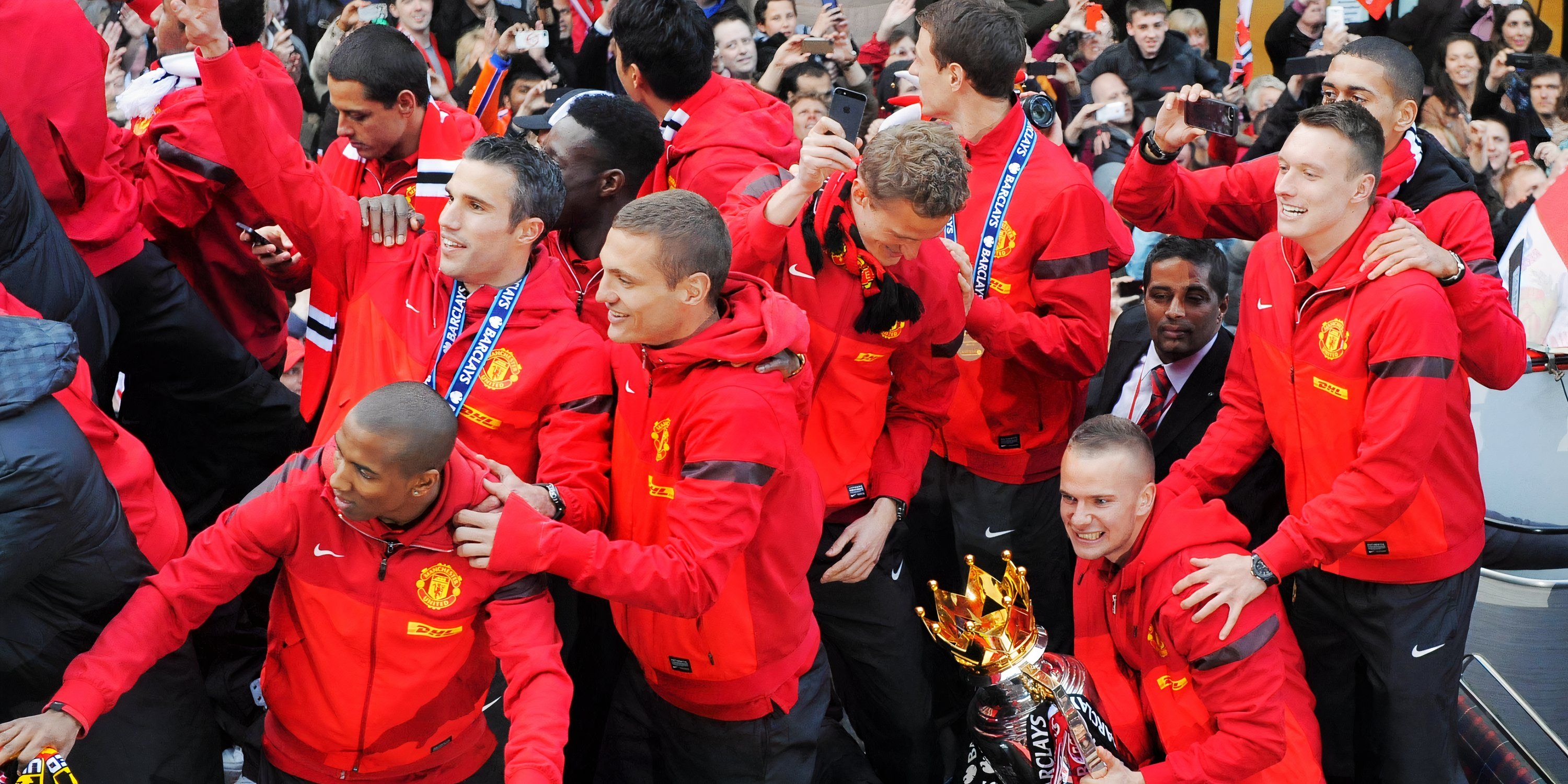
Ashley Young, the Manchester United legend who spent 11 years at Old Trafford and made 261 appearances for the club, has disclosed that he requires hip replacement surgery merely weeks after calling time on his professional football career. The 39-year-old winger, who won the Premier League title twice with United in 2013 and 2017, announced his retirement following his departure from Nottingham Forest this summer. Young's revelation highlights the physical toll that elite-level football takes on players' bodies, even after they step away from competitive action. His decision to undergo the surgical procedure comes at a critical juncture as he transitions into life beyond the pitch.
During his decorated career, Young represented some of Europe's biggest clubs, including Aston Villa, Manchester United, Inter Milan, and Nottingham Forest, accumulating over 700 career appearances across all competitions. The English international earned 39 caps for the national team, contributing to memorable campaigns including the 2018 World Cup qualification. Young's longevity in football, particularly at United where he served as captain during his final years, exemplified his professionalism and adaptability across multiple positions. His hip issues underscore how demanding professional football is on athletes' skeletal systems, with repeated high-impact movements and intense training regimens contributing to degenerative joint conditions.
Young's hip replacement represents a new chapter as he prepares for post-retirement life, joining numerous former footballers who have undergone similar surgical interventions in recent years. The procedure, while routine in modern medicine, requires substantial rehabilitation and recovery time, typically involving months of physiotherapy to restore full mobility. At 39, Young has the advantage of retiring on his own terms, allowing him to address his medical needs without the pressure of returning to competitive football. His situation reinforces the importance of proper medical management and aftercare for retiring athletes transitioning away from their playing careers.