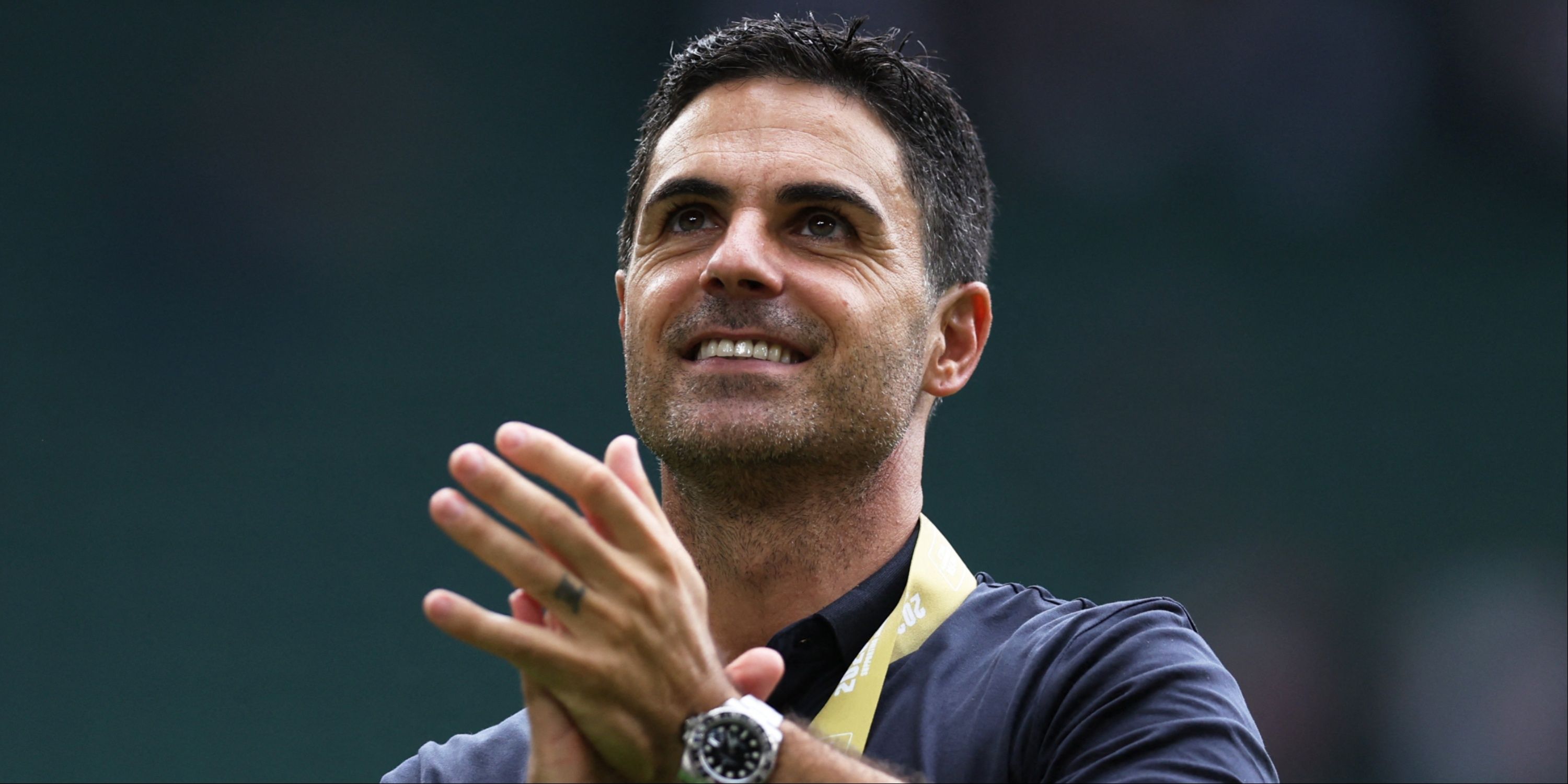
Manchester United have announced their seventh consecutive annual financial loss after posting a £43m deficit for the year ending June 30, 2026, driven by high player acquisition costs and the expensive managerial dismissal of Ruben Amorim. Despite generating a record revenue of £677.6m, the Premier League giants continue to struggle with profitability. This financial hurdle arrives while the team competes intensely under current head coach Michael Carrick to secure a coveted top-four finish in the English top-flight standings, a crucial objective to restore lucrative UEFA Champions League football to Old Trafford next season.
The latest figures highlight the intense pressure facing British billionaire Sir Jim Ratcliffe since he acquired a 27.7 per cent minority stake in February 2024 and took control of football operations. In a bid to slash overheads, Ratcliffe’s administration implemented severe cost-cutting measures, including hundreds of staff redundancies and controversial ticket price increases that sparked widespread fan protests. These financial strains coincide with a demanding fixture schedule in domestic and European competitions, testing a squad featuring high-profile talents like captain Bruno Fernandes and star striker Rasmus Højlund as they battle for silverware.
Looking ahead, club executives project further revenue growth for the upcoming financial cycle, bolstered by lucrative broadcasting deals and commercial partnerships across the globe. However, achieving long-term fiscal stability will depend heavily on sustained on-field success and prudent management of the club's massive wage bill, which has historically weighed down balance sheets. As Manchester United prepare for their upcoming Premier League fixtures against traditional rivals like Liverpool and Arsenal, the board remains under pressure to balance ambitious squad rebuilding with strict compliance under UEFA's evolving financial sustainability regulations.