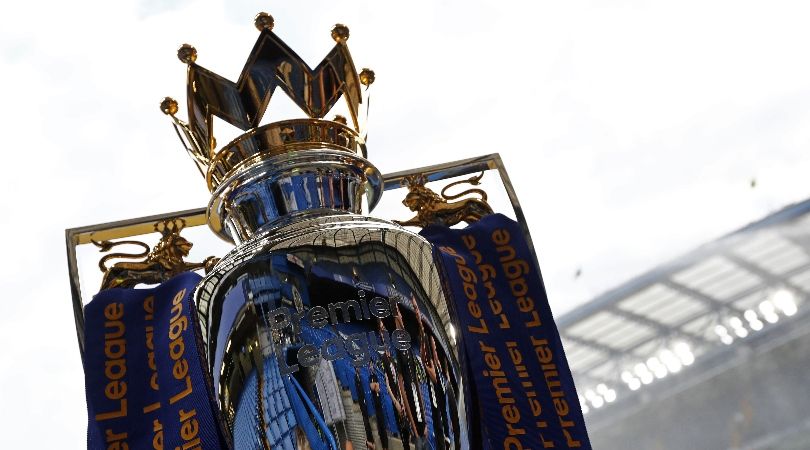
English football has witnessed remarkable transformation since 1945, with the top-flight landscape shifting dramatically across nearly eight decades. From the immediate post-war era when teams like Arsenal and Manchester United dominated, to the modern dominance of Manchester City and Liverpool, the Premier League and its predecessors have continuously evolved. Testing knowledge of every top-flight team since World War II's conclusion reveals the sport's cyclical nature—periods of sustained excellence by particular clubs followed by dramatic shifts in power. Manchester United's 20 league titles remain the most by any club, though their dominance has been challenged in recent seasons by Manchester City's extraordinary success under Pep Guardiola, who has secured six championships since 2017.
The structure of English football's top division has remained relatively consistent, though some notable changes have occurred throughout its history. The Football League First Division reigned supreme until the Premier League's formation in 1992, fundamentally reshaping how the sport operates financially and competitively. Clubs like Everton, which won nine league titles between 1891 and 1987, experienced periods of remarkable consistency before fading from contention. Meanwhile, unexpected challengers emerged—Leicester City's 2015-16 Premier League triumph at 5000-1 odds stands as sport's greatest underdog story, while Newcastle United, Sunderland, and Aston Villa have each held significant historical prominence before recent struggles.
Modern football's concentration of wealth has created new competition patterns, with only six clubs winning Premier League titles since its 1992 inception: Manchester United, Arsenal, Chelsea, Manchester City, Leicester, and Liverpool. Currently, the battle for supremacy intensifies between Manchester City and Arsenal, with City holding 97 points from 35 matches in the 2023-24 season. Smaller clubs continue fighting for survival and European qualification, though the financial disparity grows yearly. Understanding which teams have graced England's top flight since 1945 illuminates how professionalization, television rights deals, and global investment have fundamentally transformed competitive balance, creating winners and casualties in cycles that continue reshaping football's landscape today.