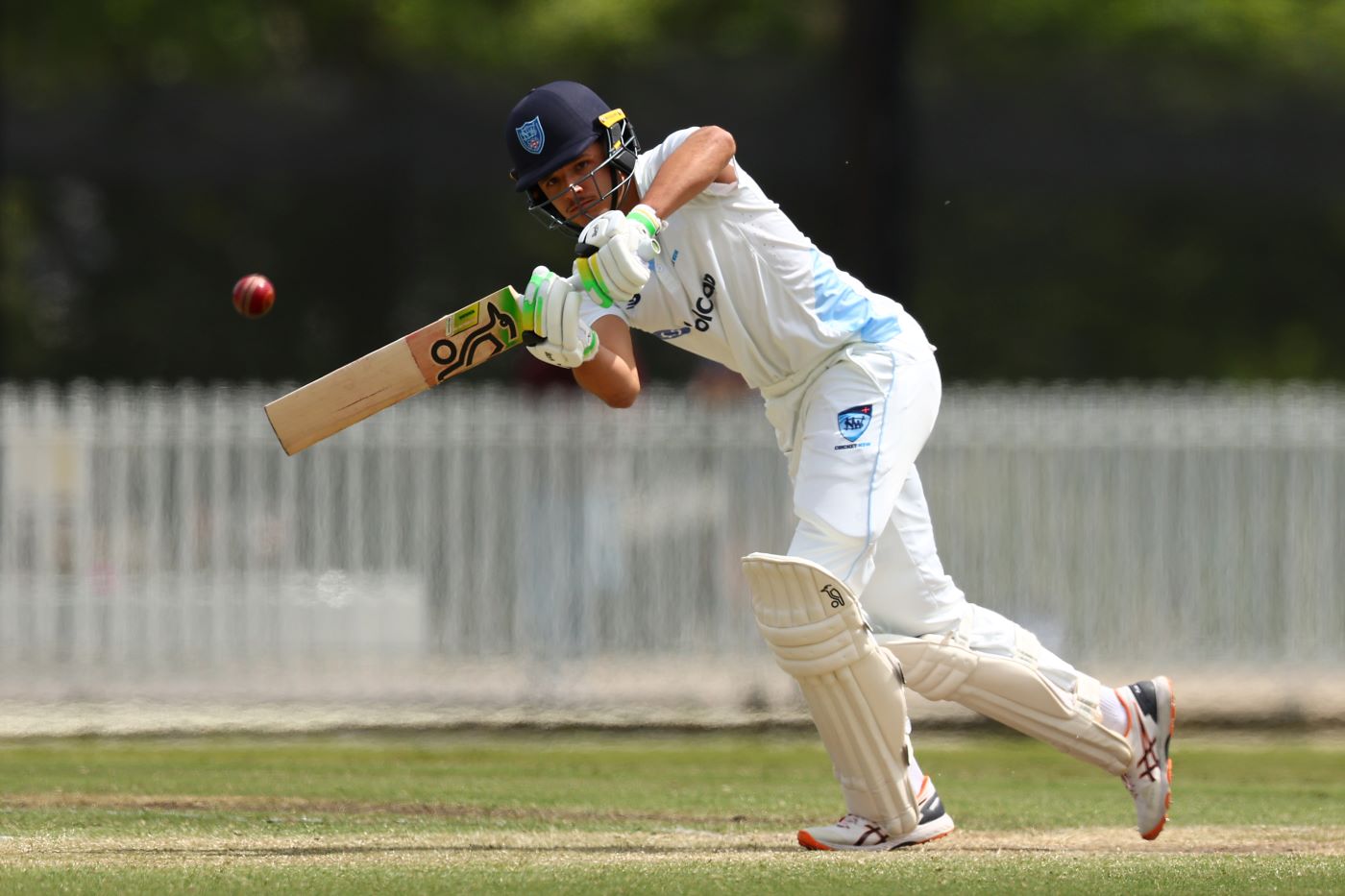
Steve Smith was on the brink of departing the crease during a tense moment that had Bangladesh fielders convinced they had finally breached his defense. The Australian batter edged a delivery early in his innings, with both Smith himself and the opposition team certain the ball had made contact with his bat before trickling toward the wicketkeeper. However, when the Decision Review System intervened to examine the dismissal appeal, the technology flatlined—producing no conclusive evidence of an edge. Smith, one of cricket's most technically sound batters with an average exceeding 60 in Test cricket, remained at the crease, extending his innings through a moment that could have altered the match's trajectory entirely.
Bangladesh's fielding unit mounted their challenge against Smith with characteristic intensity, applying pressure through disciplined bowling that had already claimed other Australian wickets during the match. Smith's technique under scrutiny reflects his battle-hardened approach to Test cricket, where he has accumulated numerous centuries and established himself as a cornerstone of Australia's batting lineup. The DRS incident highlighted the razor-thin margins between dismissal and survival in international cricket, where marginal calls can swing momentum dramatically. Smith's ability to survive close calls has been instrumental in his accumulation of over 8,000 Test runs, with his concentration and game awareness proving critical assets in high-pressure situations.
The reprieve gifted Smith an opportunity to rebuild and potentially accelerate his innings against a Bangladesh attack seeking momentum. His continuation at the crease could prove decisive for Australia's overall performance in the match, particularly given his track record of converting starts into substantial innings. Smith's average of over 60 in Test matches demonstrates his consistency in converting such opportunities into runs that significantly impact match outcomes. The DRS technology's role in this instance underscored both its value and limitations in modern cricket, where marginal decisions continue generating debate among players and analysts.