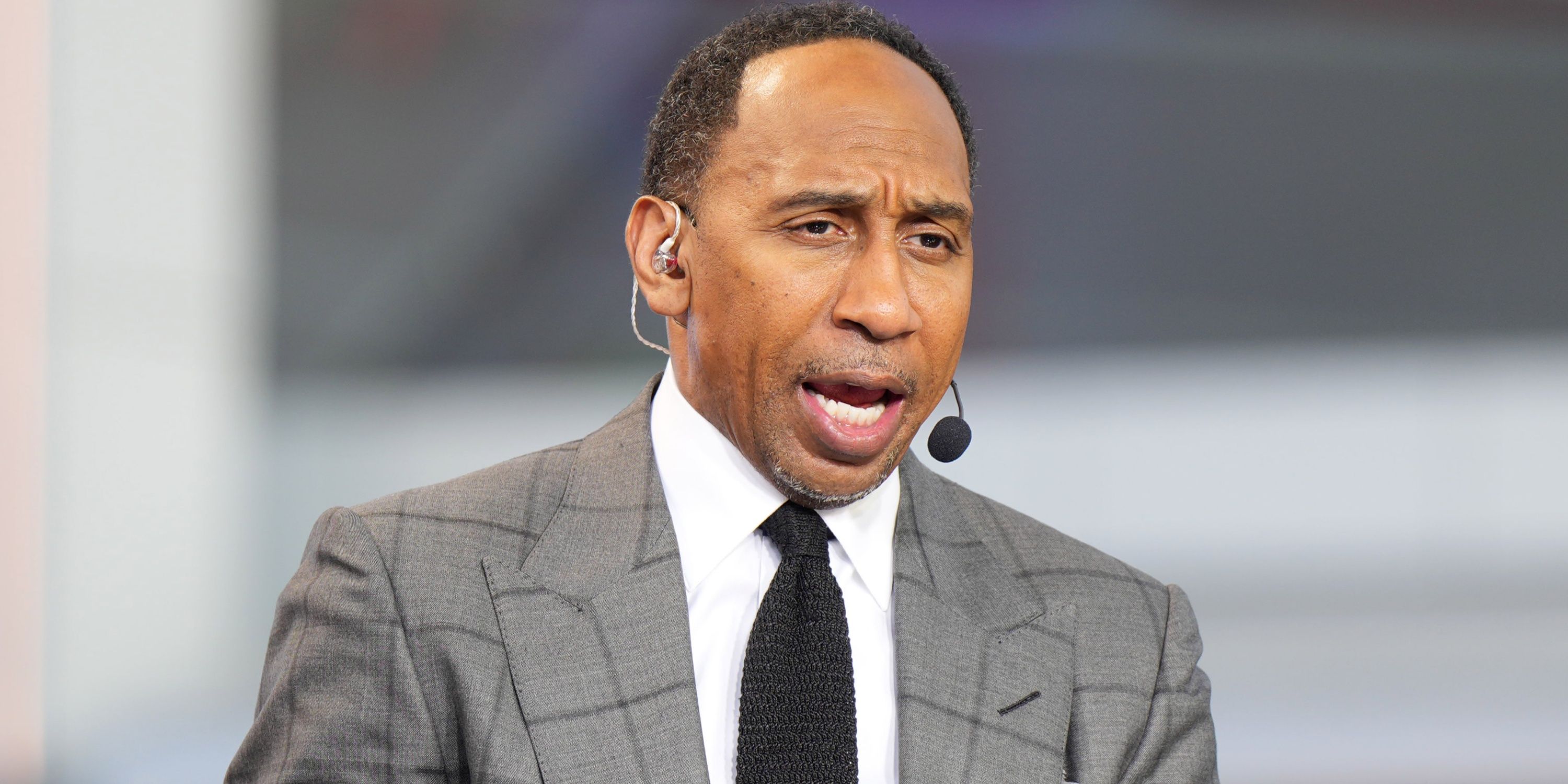
Sports commentator Stephen A. Smith has weighed in on the ongoing debate surrounding transgender athletes in professional sports, addressing Enes Kanter's recent involvement with women's basketball. The Turkish-American athlete, who averaged 5.2 points per game during his NBA career spanning 14 seasons, has become increasingly vocal on social issues beyond the basketball court. Smith's commentary reflects the broader conversation dominating sports discourse, as organizations continue grappling with inclusion policies while addressing competitive fairness concerns that have sparked intense debate among athletes, administrators, and fans worldwide.
Kanter's entry into women's basketball circles marks a significant moment in this contentious discussion, particularly given his established platform from playing alongside MVP-caliber teammates in the NBA. The debate over transgender athlete participation has intensified considerably since 2020, with major sports organizations implementing varying eligibility standards and testing protocols. The International Olympic Committee revised its framework in 2021, allowing sports federations to establish their own policies rather than enforcing blanket testosterone level requirements. Smith's response underscores how this issue transcends traditional sports boundaries, influencing narratives within mainstream sports media and requiring nuanced examination of competitive integrity alongside inclusion principles.
The implications of this controversy extend throughout professional sports governance, affecting how leagues establish future eligibility criteria and inclusion standards. Women's professional basketball, which has witnessed remarkable growth with players now earning salaries exceeding $250,000 annually compared to previous decades, faces heightened scrutiny regarding competitive fairness and athlete safety. Moving forward, sports organizations must balance inclusivity with maintaining competitive equity, a challenge that will likely dominate policy discussions across major leagues. Smith's commentary contributes to ongoing conversations that will shape how sports address these complex issues, with potential consequences for regulatory frameworks across multiple athletic organizations and governing bodies.