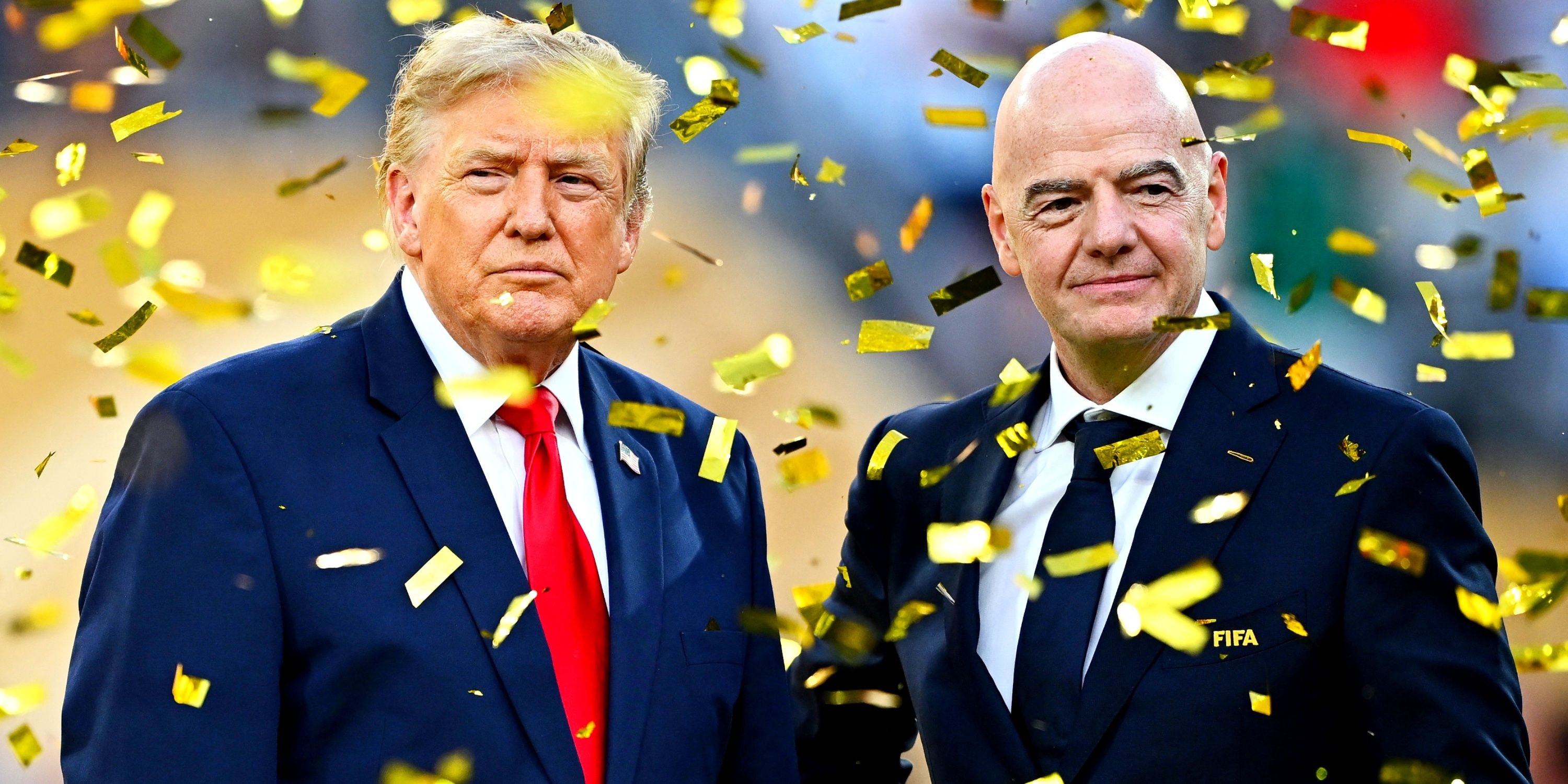
US Soccer has thrown its support behind CONCACAF's rejection of FIFA's controversial proposal to sell a minority stake in the World Cup tournament. The decision represents a significant stance from the United States, which will co-host the 2026 FIFA World Cup alongside Mexico and Canada—the first time the tournament will be held across three nations. By backing the regional confederation's position, US Soccer signals that North American football stakeholders prioritize the tournament's independence over FIFA's financial restructuring plans, marking a clear divide between the sport's governing bodies on how to handle the competition's future governance and revenue distribution.
CONCACAF's rejection of FIFA's monetization scheme reflects growing tension within international football's leadership structure. The 2026 World Cup will expand to 48 teams—an increase from the traditional 32-team format used since 1998—creating unprecedented opportunities for participation and revenue generation. FIFA's attempt to introduce external investors into World Cup ownership would fundamentally alter how the tournament operates and distributes profits among member associations. CONCACAF's refusal, supported by US Soccer, demonstrates that regional confederations are asserting greater autonomy over decisions affecting their continental competitions and the athletes who represent their nations on football's biggest stage.
The United States' backing of CONCACAF positions North American football against FIFA's privatization efforts moving forward. With preparations for the 2026 tournament advancing rapidly, this coalition between US Soccer and CONCACAF establishes a negotiating bloc with considerable leverage, given that hosting duties carry substantial influence in World Cup discussions. The rejection suggests that future World Cup governance structures may need FIFA approval from regional stakeholders before implementation. As the 2026 competition approaches—projected to generate record revenues exceeding previous tournaments—the alliance between US Soccer and CONCACAF will likely shape how football's most prestigious event remains controlled and monetized for decades to come.